|
In This Issue:
Message from the Sheriff ● Domestic Violence Awareness & Prevention ● El Niño Preparedness: Sheriff’s Safety Advisory ● Crime Prevention Month: Sheriff’s Office Initiatives ● Halloween Safety & Pedestrian Awareness ● Breast Cancer Awareness: Supporting Survivors & Families
● Upcoming Events
|
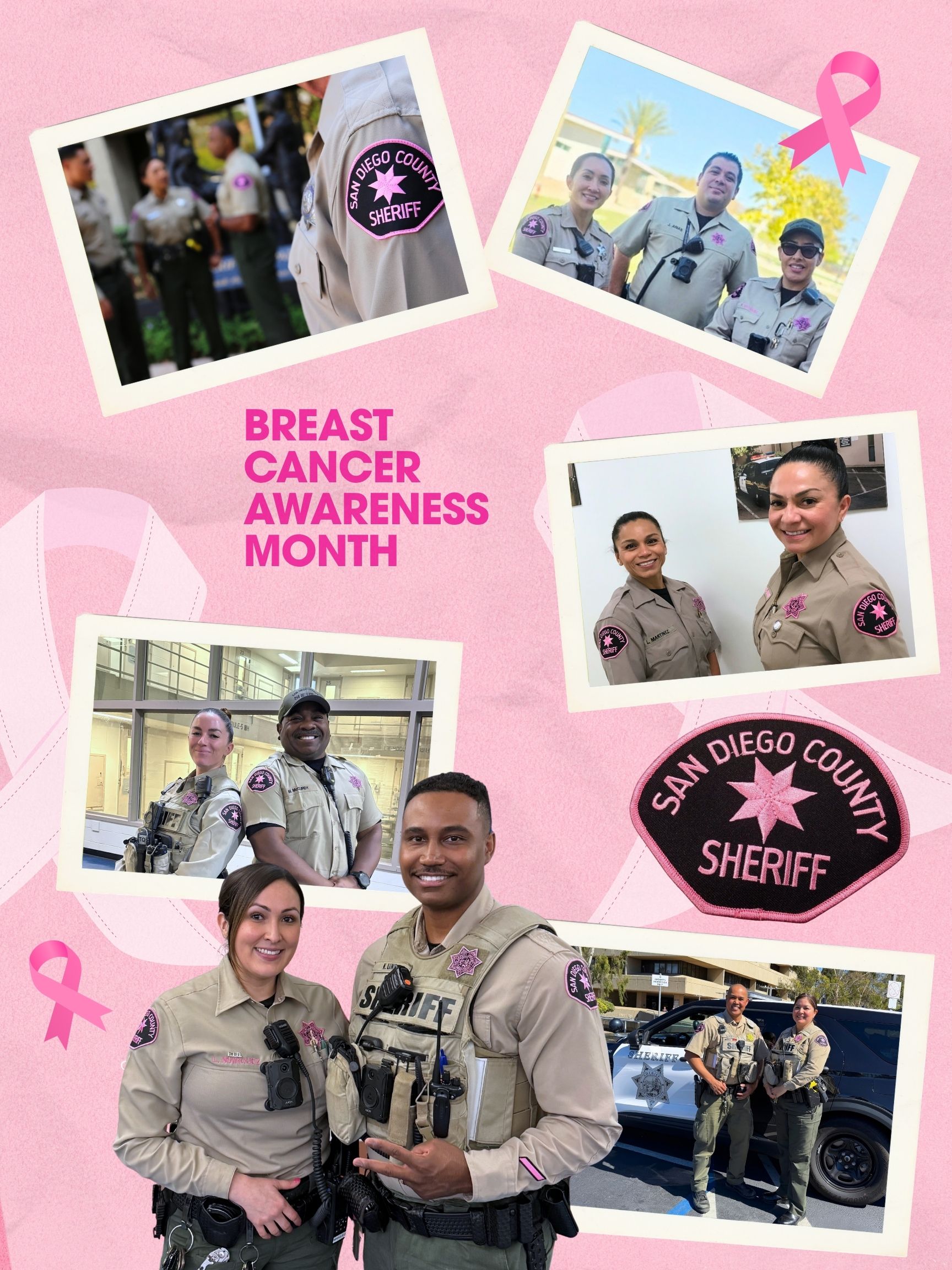
October recognizes two significant initiatives that are near to my heart. Breast Cancer Awareness Month brings awareness to the importance of this disease that affects so many Americans. Few people have not been touched in some way by breast cancer. This cause is deeply personal to me, as I have faced and survived this disease myself, and several of my deputies have bravely fought this cancer or supported loved ones who did. We honor the month by wearing pink Sheriff’s patches on our uniforms as a visible sign of solidarity and support. We remain committed to supporting awareness campaigns and hope that continued participation brings us closer to a cure. During Breast Cancer Awareness Month, we shine a light on the importance of treatment and research. While breast cancer is the focus, we stand with all individuals and families affected by any form of cancer.
Red Ribbon Week is a national drug-prevention campaign held every year from October 23-31. This week honors DEA Agent Enrique "Kiki" Camarena who was kidnapped, brutally tortured, and killed on February 9, 1985, while serving the United States in Mexico. This was less than one month before I began my law enforcement career. Each of these efforts holds personal significance for me, and I want to highlight how the Sheriff’s Office supports our communities in these areas.
As the Sheriff, I remain committed to investing resources and personnel in the fight against drugs. I do this through a three-pronged approach of education, harm reduction, and enforcement. We invest in educating our communities through outreach and youth events. In 2014, the Sheriff's Office spearheaded legislation that allowed law enforcement in the state to carry lifesaving Naloxone for the first time. Naloxone simply put, reverses the effects of fentanyl, saving lives. We were the first agency in the region to begin a Naloxone stay behind program. Anyone in the community can obtain Naloxone for free from any Sheriff's deputy with instruction how to use it. I commit heavily to state, local, federal, and tribal task forces to leverage every resource in the interdiction, disruption, and enforcement of drug laws. And I proudly serve on DEA Administrator Terrence Cole's Law Enforcement Advisory Board.
Protecting our youth, educating parents, and keeping our communities safe is a top priority. I am proud of the programs we offer, including Rise Above (link), the Junior Women’s Academy (link), RESPECT (link), among others. These programs empower young people and families with tools and education to prevent drug use and violence. But we cannot do this alone, I invite families, parents, teachers, and community members to join us in this critical effort.
I am proud to serve as your Sheriff.
|
Kelly A. Martinez, Sheriff
|
|
Domestic Violence
Awareness & Prevention
|
The San Diego County Sheriff's Office has responded to 2,090 domestic violence-related calls for service from January 2026 to present. These incidents rank among the most volatile and high-risk situations deputies encounter; driven by intense emotions, active conflict, and the potential for rapid escalation. Raising public awareness and delivering education on domestic violence prevention remain a core priority for our Office as we work to reduce these incidents and support community safety.
|
Domestic violence, also known as intimate partner violence, is a pattern of behaviors used by one person to gain or maintain power and control over another in an intimate relationship. It can include physical, emotional, psychological, sexual, financial, or technological abuse. Early recognition of warning signs is critical, as these behaviors often begin as emotional or psychological control and can progress to physical harm.
Common warning signs of an abusive partner include:
- Extreme jealousy or possessiveness.
- Controlling behavior (monitoring movements, communications, finances or appearance).
- Isolation from family, friends or support networks.
- Blaming the victim for problems or abuser's own actions.
- Verbal abuse, insults, humiliation, or constant criticism.
- Sudden, unpredictable mood swings.
- Threats of violence against the victim, children, pets or self.
- Destruction of property or intimidation through aggression.
|
These indicators represent varying degrees of emotional and psychological abuse and frequently serve as precursors to physical violence. Additional red flags can include checking phones or accounts without permission, restricting access to money or transportation, forcing sexual activity, or using technology to track or harass.
The San Diego County Sheriff's Office partners closely with the San Diego Domestic Violence Council and numerous advocacy organizations throughout San Diego County. These collaborations ensure that survivors receive comprehensive support, including safety planning, emergency shelter, restraining-order assistance, and resources to leave abusive relationships and rebuild their lives. The professionals serving in these organizations demonstrate unwavering dedication to assisting survivors during some of the most challenging periods they face.
If you or someone you know is experiencing domestic violence, help is available. In an emergency, always call 911. For confidential support and local resources, contact:
San Diego Domestic Violence Hotline:
1-888-DV-LINKS (4657)
National Domestic Violence Hotline:
1-800-799-SAFE (7233)
Or reach out to your local law enforcement agency.
Additional information and resources can be found through the San Diego County Sheriff's Office Domestic Violence Resource Page, San Diego Domestic Violence Council, and partner agencies such as the Center for Community Solutions, One Safe Place - County Family Justice Center, YWCA of San Diego County, and Family Justice Centers across the region.
|
|
El Niño Preparedness:
Sheriff’s Safety Advisory
|
A strong El Niño pattern is developing in the tropical Pacific, and it may bring significant weather impacts to San Diego this winter. The National Oceanic and Atmospheric Administration (NOAA) forecasts show over a 90% chance that this El Niño will become “very strong” in the fall and winter of 2026–27, possibly joining the ranks of the most powerful episodes since the 1950s. The San Diego County Sheriff's Office is actively coordinating with allied law enforcement agencies and county partners to prepare for the upcoming storm. Please review the topics below to learn what this weather event may mean for you and how you can prepare.
|
|
What does this mean for San Diego?
|
- Increased rainfall: El Niño alters storm paths, pushing more moisture-laden systems down the West Coast, especially into Southern California. While this doesn’t guarantee nonstop rain, historical trends suggest a higher likelihood of wet winters here.
- Flooding and urban drainage issues: Intense downpours can overwhelm storm drains and cause street flooding, even in urban neighborhoods.
- Landslides and debris flows: Our region’s hillsides and burn scars become more vulnerable with heavy rain, increasing the risk of mudslides and dangerous debris flows.
- Coastal impacts: High surf, storm surge, and beach erosion become more pronounced during big winter storms.
- Travel and power disruption: Wet conditions can knock down trees and power lines; roads may wash out or become dangerously slick.
|
- Stay informed
Keep an eye on updated forecasts from the National Weather Service and NOAA’s CPC forecasts, along with other social media content.
- Guard your home
- Clean your gutters and downspouts.
- Check your roof for leaks.
- Have sandbags ready in case of localized flooding.
- Protect your property
- Inspect slopes and drainage paths on your property.
- Move valuables or vehicles away from flood-prone areas.
- Drive carefully
- Don’t drive through standing water, just 12 inches of moving water can sweep your vehicle away. Always “Turn Around, Don’t Drown.”
- Be ready for outages
- Stock up on essentials such as water, batteries and phone chargers.
- Make a family emergency plan, and know your evacuation routes.
|
|
Community and local services
|
- The City of San Diego Public Utilities and County of San Diego will issue alerts for floods, landslides, and road closures.
- Follow local social media or sign up for weather emergency notifications.
|
October is Crime Prevention Month, a time dedicated to highlighting the proactive efforts that help keep San Diego County one of the safest regions in the nation. This month provides the perfect opportunity to recognize the essential work of the Crime Prevention Unit who works daily behind the scenes to support deputies, connect with the community, and help address crime trends before they grow.
|
Each patrol station has a dedicated Crime Prevention Specialist assigned to its area. These specialists are non-sworn professional staff who play a vital role in keeping our communities informed, engaged, and empowered. Their mission is prevention, education, and outreach. They ensure residents and business owners understand what steps they can take to protect themselves and how the Sheriff’s Office is working with them every day.
Crime Prevention Specialists work hand in hand with the deputies at their stations. When crime trends emerge, (whether they involve vehicle burglaries, residential break-ins, fraud schemes, or nuisance issues) Specialists track reports, help identify vulnerable areas and develop prevention strategies tailored to each neighborhood.
|
Crime Prevention Specialists provide a wide range of free resources and services to the public:
- Launching Neighborhood Watch groups. Specialists guide residents through the process of forming and maintaining a successful Neighborhood Watch, strengthening community engagement and accountability.
- Offering commercial security consultations. Business owners can request an onsite assessment to identify vulnerabilities, improve security practices, and reduce opportunities for crime.
- Providing residential security consultations. Specialists conduct home assessments to help residents understand how lighting, landscaping, locks, and layout can improve safety.
- Delivering presentations on a variety of safety topics. From fraud prevention and personal safety to active shooter awareness and holiday safety, specialists can provide presentations tailored to schools, community groups, HOAs, or businesses.
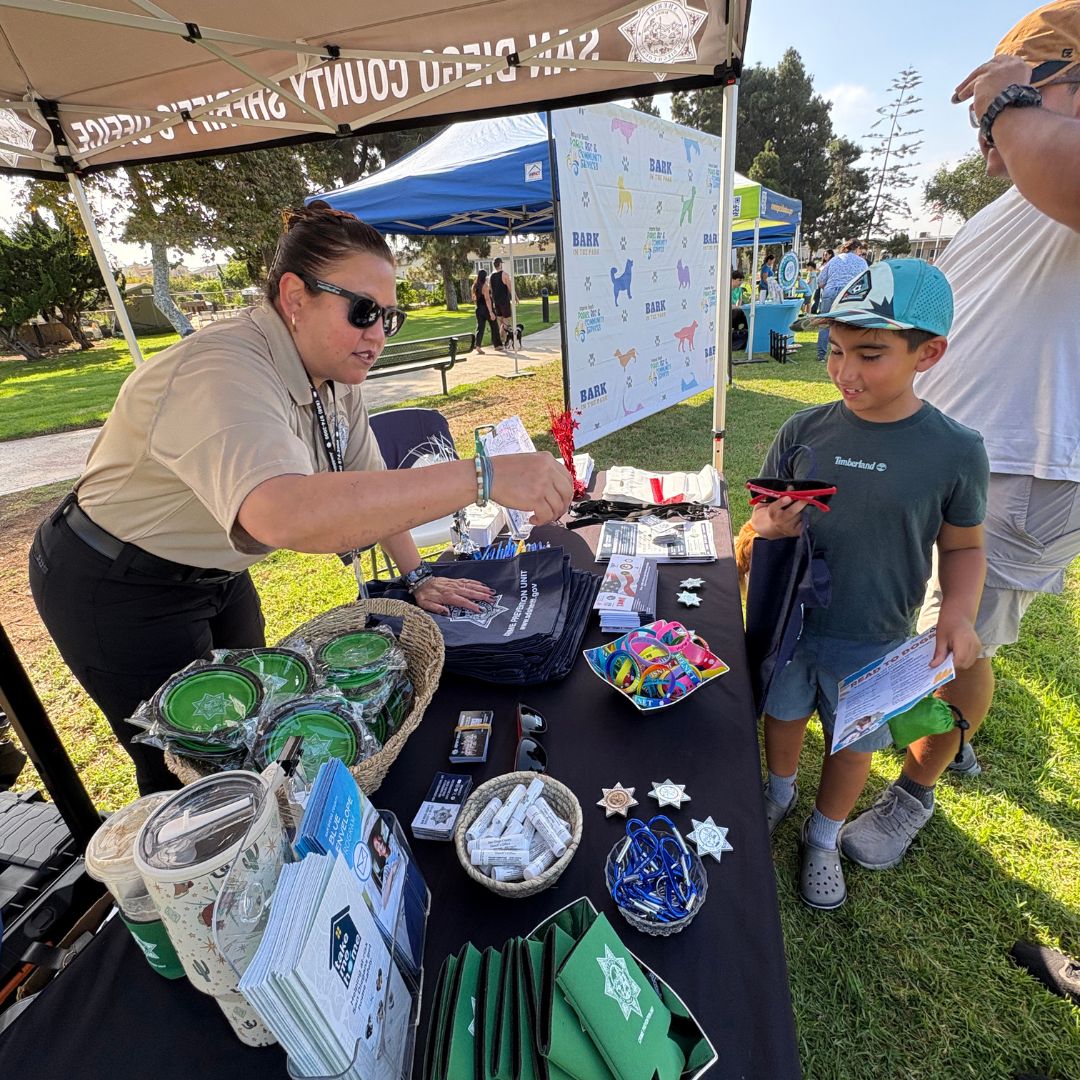
- Attending tabling events and resource fairs. Crime Prevention Specialists represent their stations at community events throughout the county, offering information, answering questions, and building relationships with residents.
- Planning and coordinating station-based community engagement. They organize events and opportunities for the public to connect directly with station deputies, strengthening communication and trust.
|
This work not only supports deputies, but it also helps bridge the gap between law enforcement and community members. Crime Prevention Specialists make it easier for residents to share concerns, ask questions, and learn how crime trends may be affecting them. Their presence encourages meaningful dialogue, promotes transparency, and reinforces the idea that preventing crime is truly a shared responsibility.
As we celebrate Crime Prevention Month, we highlight the dedication of every Crime Prevention Specialist and the important role they play in building safer, more connected communities. Their collaboration with deputies and their commitment to public outreach demonstrate that thoughtful, proactive engagement is an effective tool in reducing crime.
To contact your local Crime Prevention Specialist, please email: CrimePrevention@sdsheriff.org.
|
|
Halloween Safety
& Pedestrian Awareness
|
October brings cooler weather, earlier sunsets, and the excitement of Halloween festivities. It’s also a time when pedestrian‑related incidents tend to rise due to decreased daylight and increased foot traffic in neighborhoods.
|
Pedestrian safety is most effective when both walkers and drivers stay alert, communicate clearly with one another, and anticipate seasonal changes. Shorter days mean more people are out during dusk and dark hours, a time when visibility decreases, and reaction times can be affected. Add Halloween trick‑or‑treating into the mix, and it becomes even more important for neighborhoods to prepare and practice safer habits.
Below are practical tips to help keep everyone safe throughout October and especially on Halloween night.
|
- Use sidewalks whenever possible. If none are available, walk facing traffic and stay as far to the side as you safely can.
- Cross streets at corners or marked crosswalks. Avoid crossing mid-block or between parked cars where drivers may not expect you.
- Make eye contact with drivers. Don’t assume a vehicle sees you; clear communication helps prevent misunderstandings.
- Keep distractions low. Phones, headphones, and conversations can reduce awareness, especially during busy evening hours.
- Supervise children closely. Kids often move unpredictably, and shorter daylight hours can make it harder for drivers to spot them.
|
- Choose costumes with visibility in mind. Go for lighter colors or add reflective tape to costumes, treat bags, or strollers.
- Carry a flashlight or glow stick. It increases visibility to drivers and helps children see where they’re walking.
- Drive cautiously on Halloween night. Expect heavy foot traffic, slow down significantly, and eliminate distractions like phones or loud music.
- Use battery-powered candles. Open flames inside pumpkins or along walkways can pose fire risks, especially with flowing costumes or decorations nearby.
- Travel in groups. It helps with visibility, supervision, and safety, especially for younger children.
- Stay in familiar areas. Trick‑or‑treat in well-lit neighborhoods and avoid poorly lit or isolated locations.
|
As Halloween approaches, consider sharing these reminders with family, neighbors, and local groups. A few thoughtful actions can make all the difference in ensuring everyone enjoys a fun, safe, and community‑focused holiday.
|
Breast Cancer Awareness: Supporting Survivors & Families
|
October is Breast Cancer Awareness Month, an international campaign focused on raising awareness of breast cancer, screening methods, and treatment options. Each October, we highlight efforts that support treatment and research.
The San Diego County Sheriff’s Office joins communities across the nation in recognizing this month. Deputies may choose to wear pink versions of their uniform patches, serving as a visible reminder of the importance of early detection and honoring those in San Diego County affected by breast cancer. These patches often spark conversations with residents and create chances to share information about screenings, resources, and support services.
The Sheriff’s Office is committed to encouraging awareness and promoting healthier futures. Early detection saves lives, and simple steps like scheduling regular screenings, talking with healthcare providers, and learning about risk factors can make a meaningful difference. Reminding a friend or loved one to schedule a mammogram is another helpful step.
By keeping these conversations active throughout October and beyond, we honor the strength of those impacted and reaffirm our dedication to supporting our community. Together, we continue fostering awareness, compassion, and connection across San Diego County.
|
|
Join Us at These Upcoming Community Events
|
Your Voice Matters - Tell Us What You Want
to See in Our Newsletter!
|
|
Non-Emergency Phone Number: (858) 868-3200
|
|