|
LEGISLATIVE REPORT: WEEK 6 |
|
For Utah |
|
Hello friends, It’s an absolute privilege and honor to represent our neighborhoods and to serve you. With just one week left in our 2025 General Legislative session, much has already been accomplished for Utah during the past six weeks. In collaboration with my fellow legislators, we have worked tirelessly to strengthen Utah’s future by passing laws that enhance election integrity, support economic growth, and protect individual freedoms. We’ve prioritized making our communities safe, bolstering education for our children, and investing in robust energy, transportation, and water infrastructure. By reducing burdensome regulations, we are making Utah a place where families, businesses, and individuals can thrive.
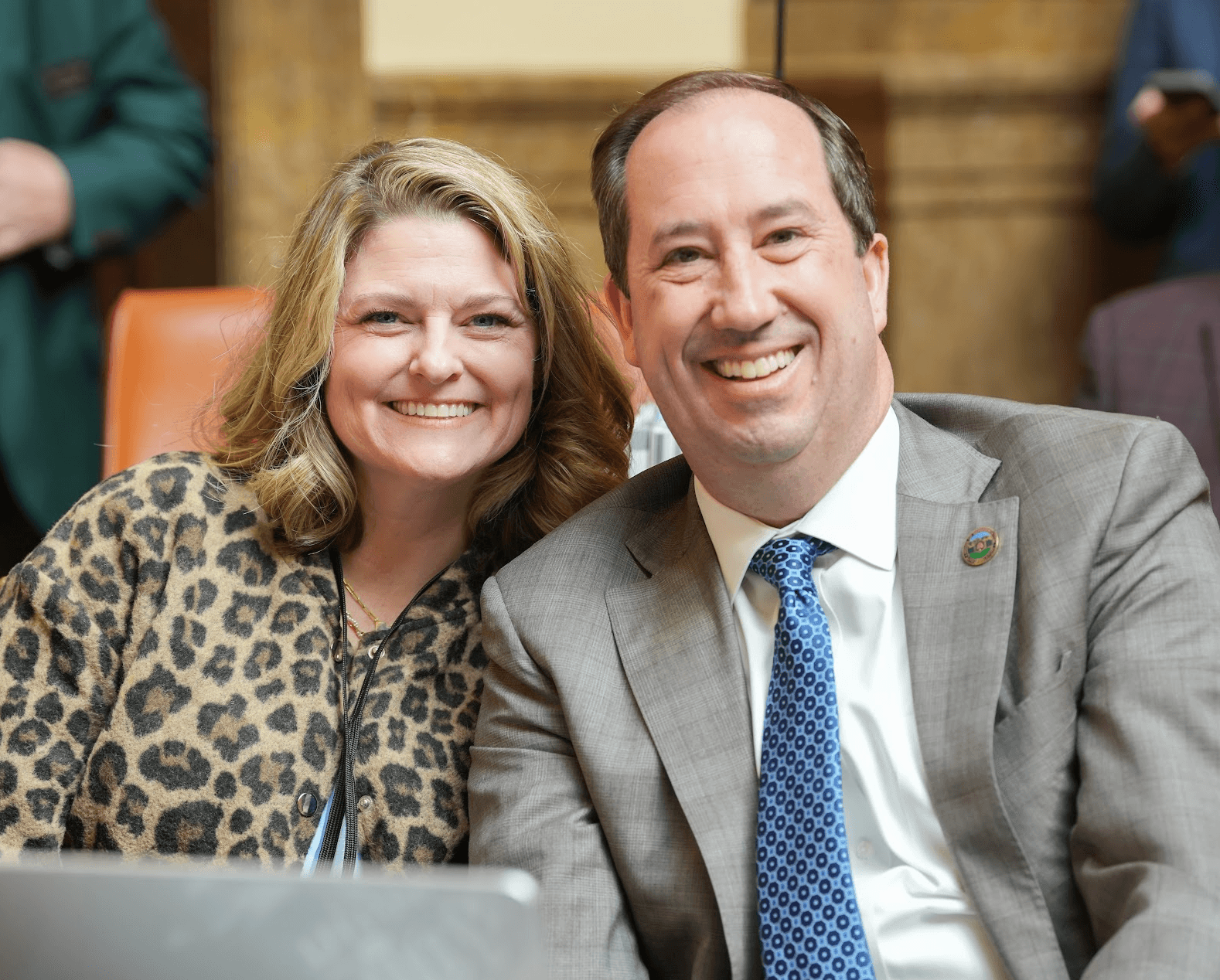
For the past 38 days, I haven’t been able to see my wife, Roxane, very much. She came to the Capitol to surprise me this week. It was wonderful! I’m so grateful for her support, work, and love which makes it possible for me to serve in the Legislature. |
|
|

|
Youth In our Communities Receive National Recognition |
|
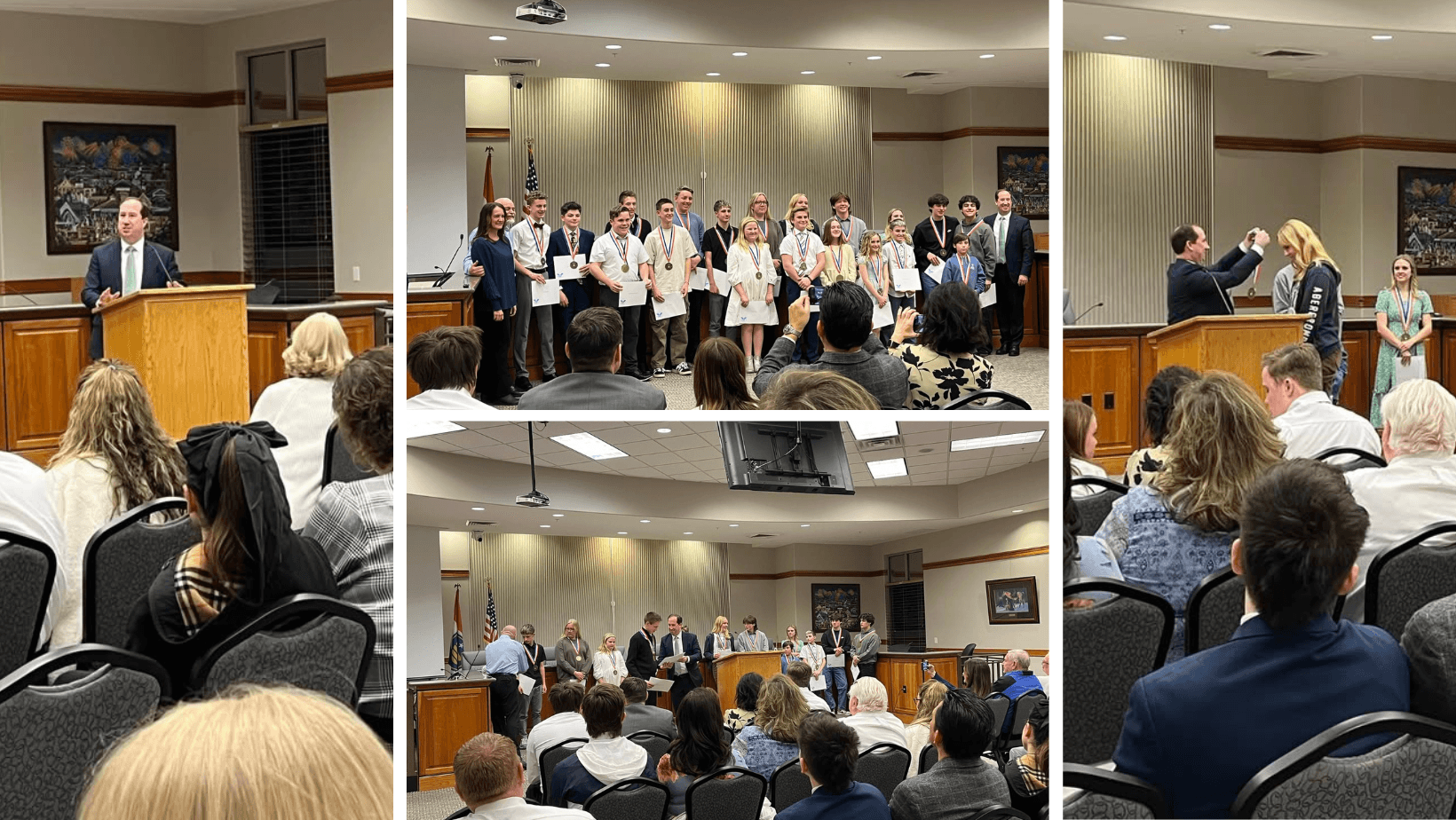
Congrats to all the youth in our community who received the President’s Volunteer Service Award this week. This national and prestigious recognition created more than 20 years ago by the President of the United States is only given to a few people in the entire nation. Having the honor to present these awards and learning about the youth’s service was inspiring. They are helping our neighborhoods, cities, the state, nation and wonderful people across the globe. A big shout out goes to Ramon and Jennifer Roberts for their leadership, vision, and service to make this possible for the youth. |
|
|
Investing in Utah’s Teachers and Classrooms |
|
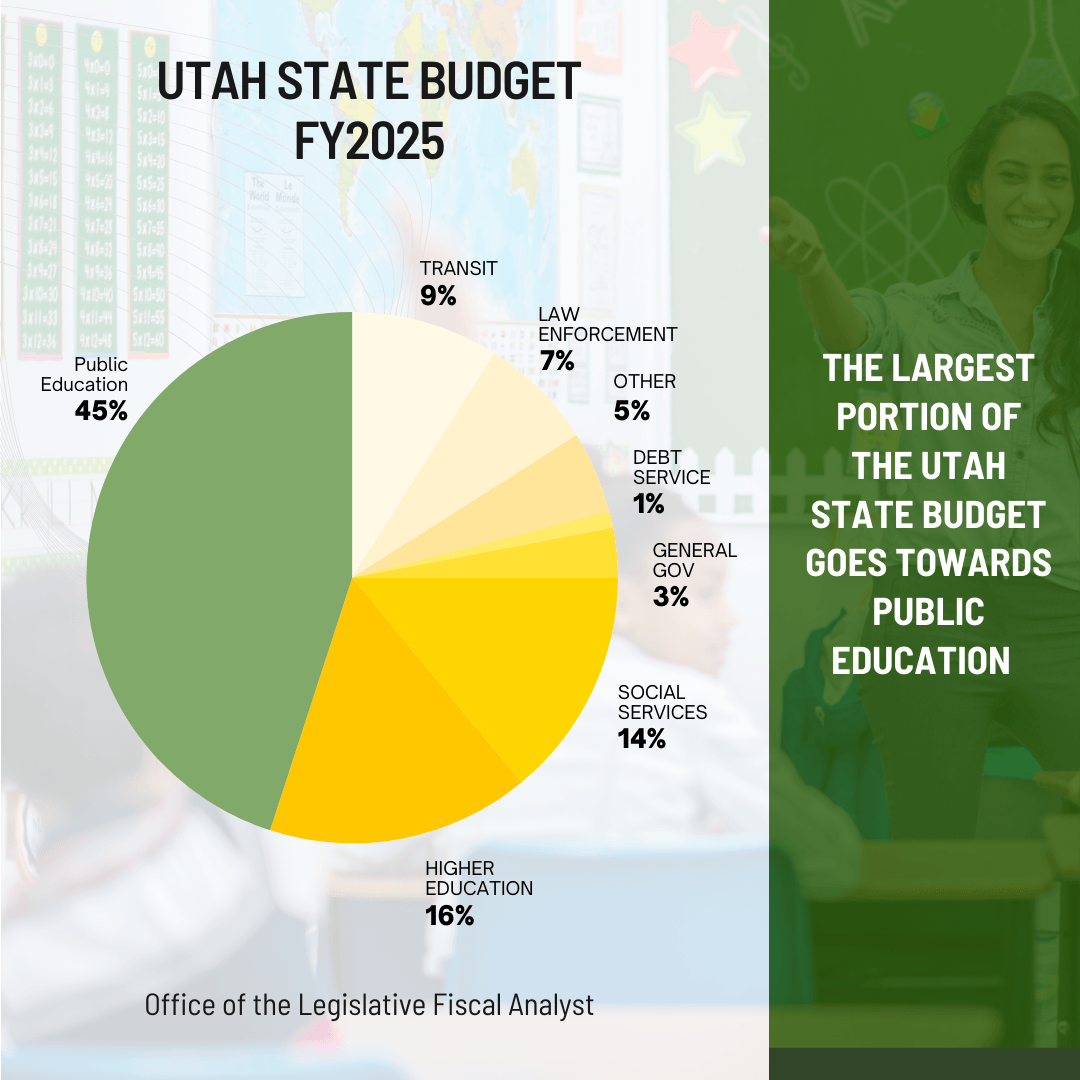
Utah is once again directly increasing teacher salaries. This investment reflects the Legislature’s and Gov. Cox’s dedication to attracting and retaining top talent in classrooms, ensuring that teachers are valued, supported and empowered to provide the best education for Utah’s students.
|
|
Strengthening our Elections |
|
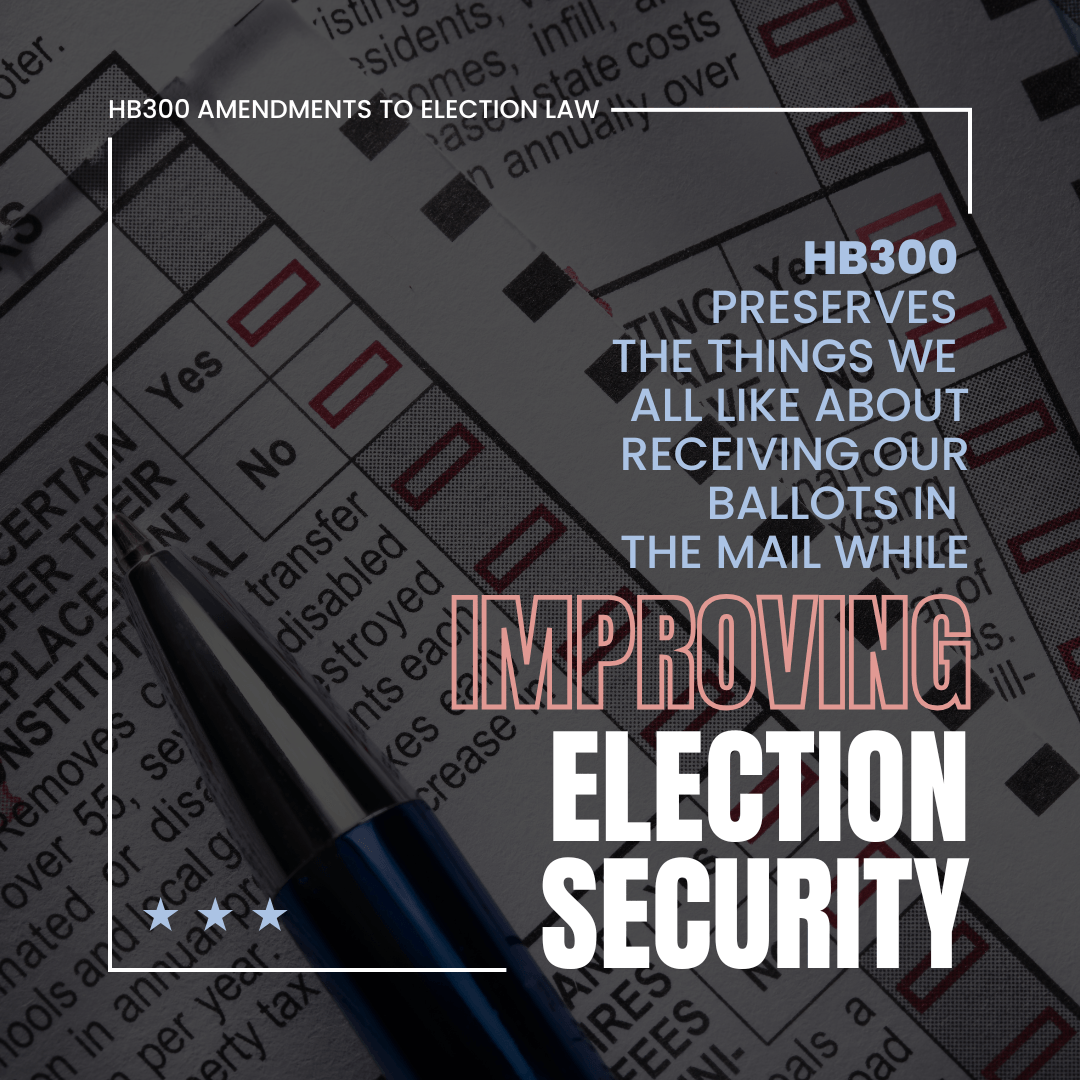
There are 3 things I’ve consistently heard from nearly everyone in our local neighborhoods and from people throughout the state about Utah elections:
Here's the problem: We can't have all 3 under current Utah law. H.B. 300 helps move us toward a solution, ensuring our elections remain both accessible and secure, without taking away your ability to vote by mail. Beginning in 2026, voters will include the last four digits of their state ID when voting by mail or drop box, while those without an ID will have time to obtain a free one. This ensures elections remain both accessible and secure without eliminating vote-by-mail. The bill also improves efficiency and reduces speculation by ensuring more timely election results. Additionally, voters will now opt in to receive a mail-in ballot, preventing outdated rolls and strengthening election integrity. These changes will boost Utah’s election security ranking from 33rd in the nation to 9th—preserving what we love about voting while making it more secure. |
|
|
Keeping our Rates Low and our Lights On |
|
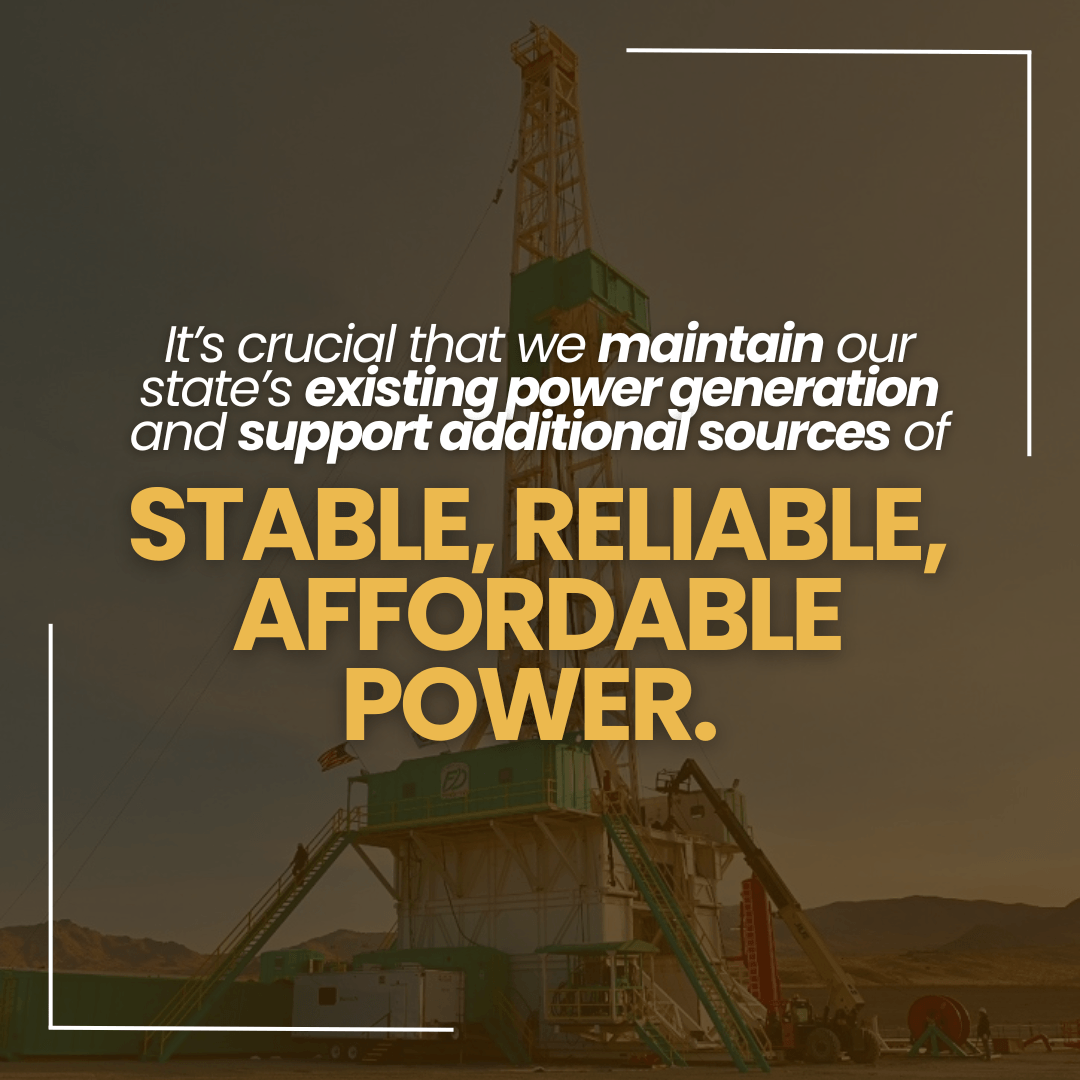
Reliable, affordable energy is the backbone of our daily lives—powering our homes, businesses, and future growth. We’re taking key steps to secure our energy future by:
Embracing the “all-of-the-above” approach to energy is critical to maintaining our state’s economic strength, protecting hardworking families from rising costs, and ensuring that every Utahn has access to a reliable and resilient power grid—no matter the challenges ahead. |
|
|
Supporting Utah Families |
|
Hardworking Utah families are the backbone of our communities, and HB 106 is designed to give them the support they deserve. This bill enhances Utah’s child tax credit, providing meaningful financial relief for parents with children ages 0 to 5—a time when expenses are high, and every dollar counts. By increasing the tax credit for young children and ensuring more families qualify, HB106 puts money back in the pockets of young families. This is about financial relief for families, ensuring that Utah remains a place where families can grow, succeed, and prosper. |
|

|
Spotlight on my Housing Bills – Supporting the American Dream |
|
The American dream of homeownership is a cornerstone of Utah's values. For the past year I have worked with people and organizations from throughout the state on two significant legislative measures, H.B. 360 and H.B. 368, which are poised to make this dream more attainable for our children and grandchildren.
H.B. 360 focuses on increasing housing affordability by implementing policies that encourage the development of diverse housing options, while H.B. 368 streamlines local land use regulations, reducing bureaucratic hurdles and expediting the construction of new housing projects. Together, these bills aim to expand housing availability and attainability, empowering more Utah families to achieve the stability and pride that comes with owning a home. |
|

Non-Profit Impact Locally and Statewide |
|
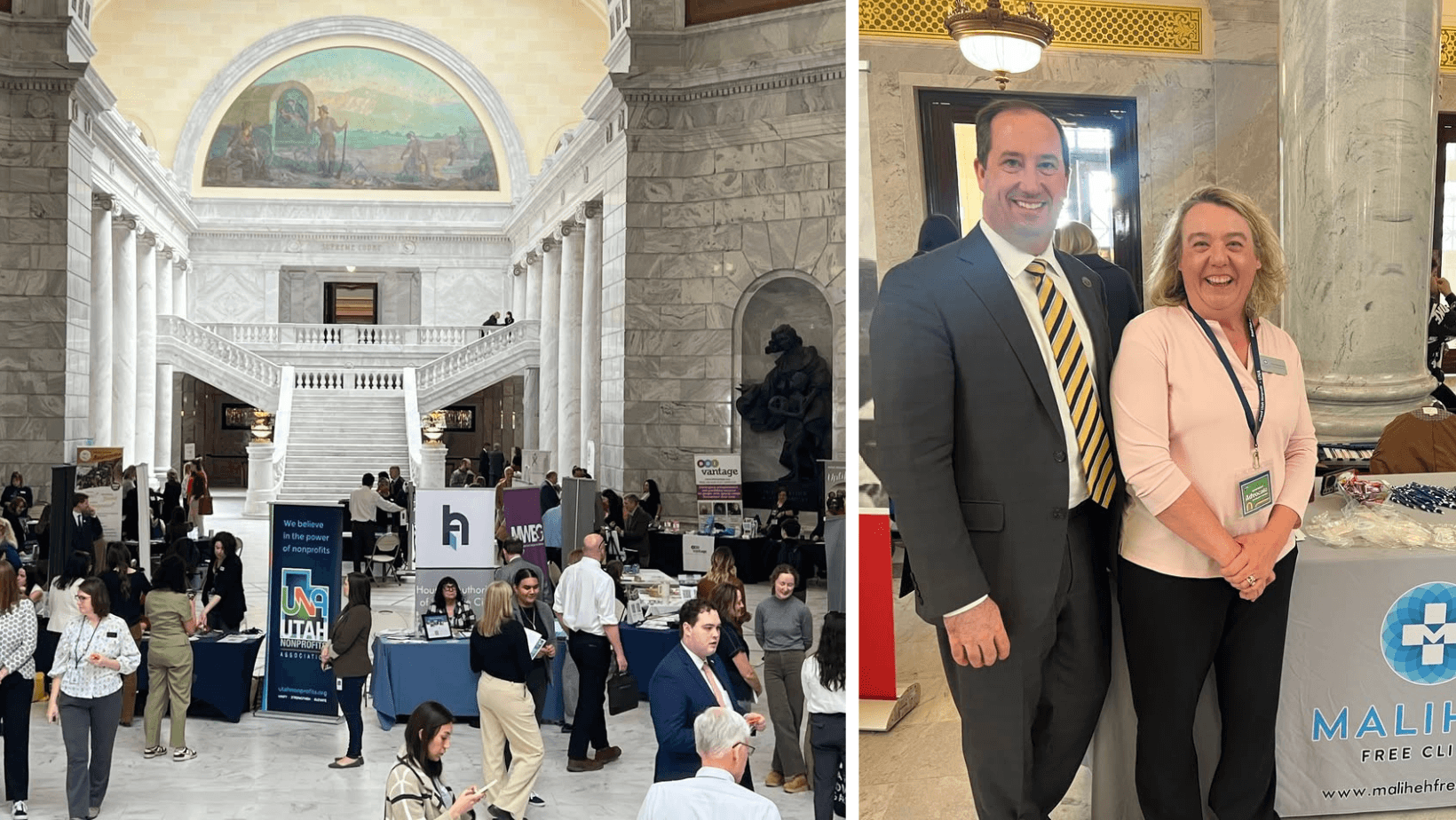
Utah is home to nearly 13,000 nonprofit organizations, collectively employing more than 6% of the state’s workforce and contributing billions to our economy. Utah is also the #1 state in the nation for volunteerism. From food banks ensuring no family goes hungry to shelters providing a safe place to sleep, from cultural institutions enriching our communities to advocacy groups amplifying voices that might otherwise go unheard—nonprofits are at the heart of what makes Utah strong, compassionate, and resilient. This week we celebrated Nonprofit Day on the Hill. It was wonderful to meet and visit with so many who are strengthening our local and statewide communities. |
|
Voting Record and Position Perspectives |
|
Bill topics have once again been varied and vast this week including: reverse search terms for criminal investigations, animal shelters, AI in law enforcement, mining, cybersecurity with our drinking water, student athlete name, image, likeness (NIL), towing, abandoned airplanes at airports, eye glasses, and many, many more. Below is my voting record for the 6th week of the Legislative Session. |
Position Perspective: Cell Phones in Schools |
|
The Problem:
The Solution:
Proven Benefits of Limiting Phone Use in Schools:
FAQS:
|
|
Here is my voting record for the 6th week of the Legislative Session: |
|
HOUSE FLOOR VOTES: |
|
Floor votes: HB 492 Yes SB 147 Yes HB 342 Yes HB 264 Yes HB 455 Yes HB 506 Yes SB 198 Yes HB 376 Yes HB 423 Yes HB 374 Yes HB 103 Yes HB 327 Yes HB 217 Yes HB 328 No HB 456 Yes HB 143 Yes HB 241 Yes HB 279 Yes HB 322 Yes HB 321 Yes HB 351 Yes HB 420 Yes HB 368 Yes HB 360 Yes HB 368 Yes HB 424 Yes HB 100 Yes HB 168 Yes HB 420 Yes HB 246 Yes HB 390 Yes HB 396 Yes HB 449 Yes HB 425 Yes HB 329 Yes HB 357 Yes HB 365 Yes HB 431 Yes HB 405 Yes HB 450 Yes HB 463 Yes HB 15 Yes HB 336 Yes HB 438 Yes HB 446 Yes HB 261 Yes HB 502 Yes HB 408 No HB 430 Yes HB 295 No HB 110 Yes HB 284 Yes HB 316 Yes HB 472 Yes HB 480 Yes HB 388 Yes HB 169 Yes HB 479 Yes HB 500 Yes HB 378 Yes HB 320 Yes HB 407 No HB 439 Yes HB 478 Yes HJR 9 Yes HB 396 Yes HB 165 No HB 412 Yes HB 355 Yes HB 300 Yes HB 139 Yes SB 177 Yes SB 238 Yes SB 74 Yes SB 27 Yes SB 115 Yes SB 80 Yes SB 123 Yes SB 110 Yes SB 172 Yes SB 150 Yes SB 61 Yes SB 190 Yes SB 196 Yes SB 134 Yes HB 445 Yes HB 247 No SB 180 Yes SB 159 Yes SB 113 Yes SB 64 Yes HB 351 Yes HB 298 Yes HJR 10 Yes HB 481 Yes HB 309 Yes HB 176 Yes HB 428 Yes HB 464 Yes HB 476 Yes HB 435 Yes HB 379 Yes HCR 9 Yes SB 229 Yes HB 307 Yes SB 174 Yes SB 119 Yes SB 104 Yes SB 166 Yes SB 239 Yes SB 98 Yes SB 57 Yes SB 468 Yes HB 324 Yes HB 489 Yes HB 466 Yes SB 178 Yes HB 474 Yes SB 491 Yes HB 516 Yes HB 403 Yes HB 156 Yes HB 268 Yes HB 303 Yes HB 399 Yes HB 364 Yes HB 413 Yes HB 273 Yes HB 461 Yes HB 490 Yes HB 483 Yes HB 510 Yes HB 514 Yes HB 106 Yes HB 270 Yes HB 513 Yes HCR 12 Yes HB 361 Yes HB 485 No HB 70 Yes HB 444 Yes HB 530 Yes HB 402 Yes HB 419 Yes HB 495 Yes HB 534 Yes HB 482 Yes HB 84 Yes HB 285 Yes HB 317 Yes HB 344 Yes HB 237 Yes HB 462 Yes HB 447 Yes HB 493 Yes HB 509 Yes HB 519 Yes HB 527 Yes SB 70 Yes HB 507 Yes HB 504 Yes HB 356 Yes HB 505 Yes HB 508 Yes HB 411 Yes HB 23 Yes HB 198 Yes HB 541 Yes HB 542 Yes HB 497 Yes HB 397 Yes HB 453 Yes HB 545 Yes HB 503 Absent for bill presentation in Senate Committee about Child Sexual Abuse Materials |
|
COMMITTEE VOTES: |
|
Committee Votes: HB 461 Yes SB 83 Yes HB 273 Yes SB 140 Yes SB 82 Yes SB 180 Yes HB 503 Yes HB 495 Yes SB 15 Yes HB 361 Yes SB 70 Yes HB 551 Yes SB 220 Yes SB 214 Yes SB 266 Yes |
|
|
|
I would love to hear from you! |
|
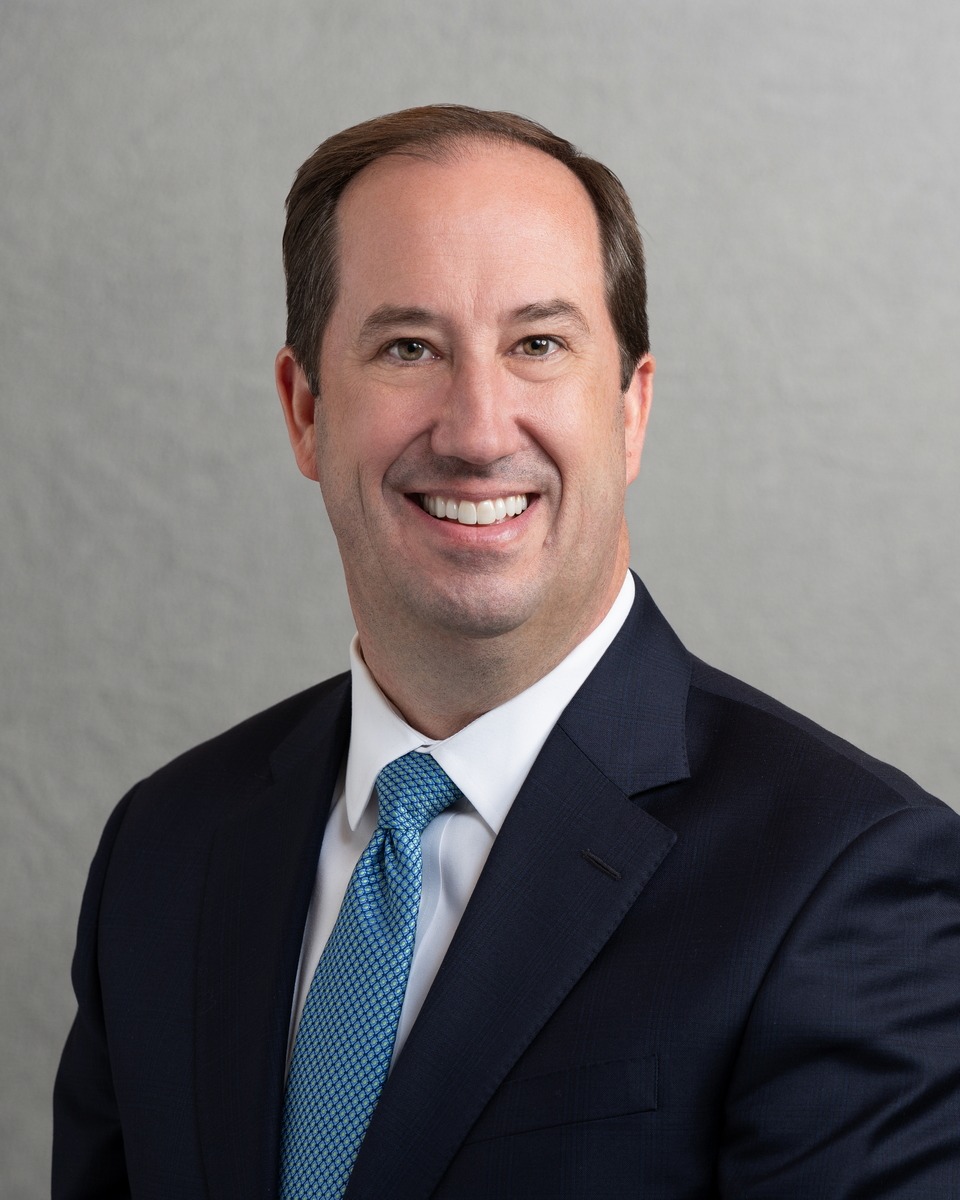
District 63 Representative Stephen L. Whyte swhyte@le.utah.gov 385-271-8435 Facebook: @Stephen Whyte X: @RepWhyte Instagram: @Stephen Whyte |
|
|


|
Unsubscribe from future updates |