|
|
Dear Neighbor, As promised, I am sharing my perspective on Governor Shapiro’s 2026–2027 budget. Overall, I am impressed by how the proposal builds on the significant progress made by the Shapiro Administration while charting a clear path forward for all Pennsylvanians. |
|
|
There are no tax increases. This budget protects taxpayers while making smart investments in the services and programs that Pennsylvanians rely on every day.
I am very glad that this year’s budget continues to make historic investments in our schools, including $8.31 billion—a $50 million increase—for Basic Education Funding; $1.58 billion—a $50 million increase—for Special Education Funding; and $1.95 billion—a $565 million increase—to fulfill the court-mandated third installment to close the funding gap between wealthy and underfunded districts. It also increases support for career and technical education, apprenticeships and STEM programs so our students are well-prepared for family-supporting jobs in Pennsylvania.
The governor has put forward an aggressive plan to address Pennsylvania’s housing shortage, which is driving up the cost of rent. He supports introducing legislation to limit rent increases on manufactured homes, establishing statewide caps on rental application fees, and investing $1 billion—supported by bond issuance—to fund large, transformative infrastructure projects across the commonwealth. These investments would include building and preserving housing, upgrading school and municipal facilities, and bringing new energy generation onto the grid. As you know, I have been appalled by the greed of utility companies that are shamelessly trying to fleece our residents. Standard & Poor’s has ranked Pennsylvania as one of the most lucrative states for utility profits. Governor Shapiro is doing the right thing by calling on the Public Utility Commission (PUC) to more closely scrutinize utility spending and by creating a new energy affordability watchdog within his office, which will push utility companies to:
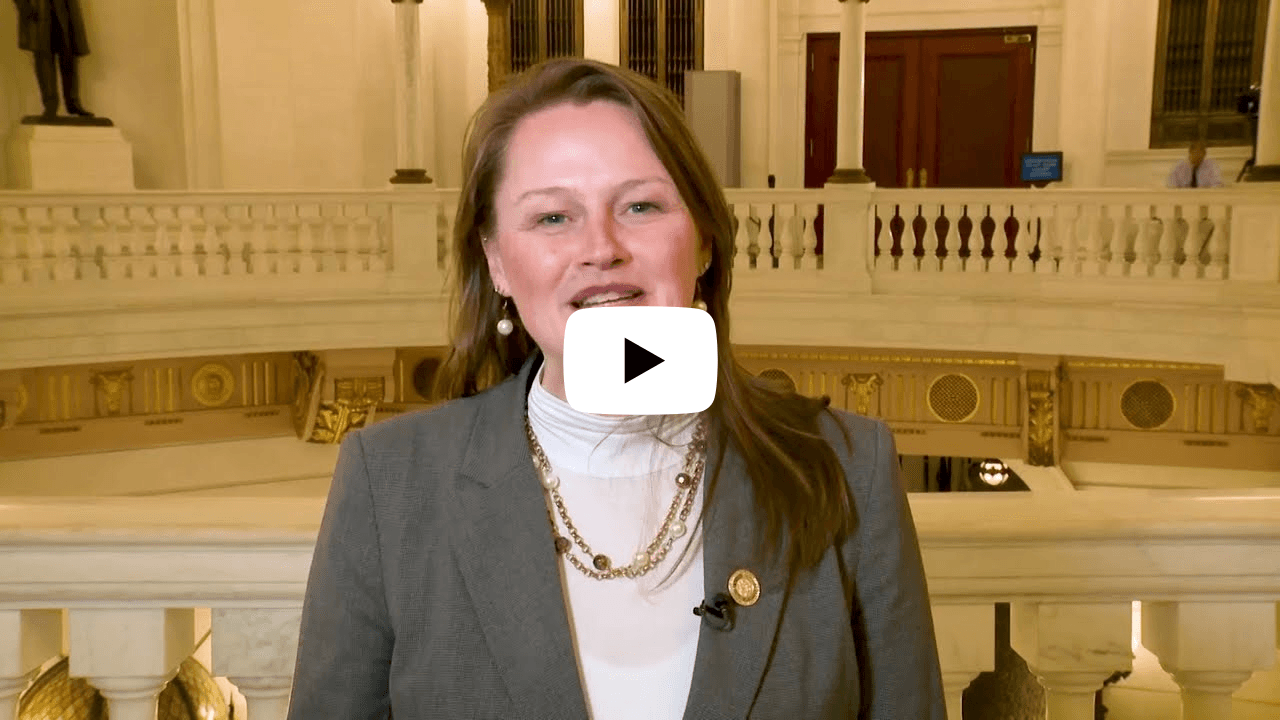
We can build more housing and lower utility rates, but that will not be enough for millions of Pennsylvanians if we fail to raise the minimum wage. No one should have to work three or four jobs just to keep a roof over their head because of the high cost of living. In fact, the money the state is “saving” through low wages is instead being paid out—at a cost of roughly $300 million each year—in entitlement funding for programs such as Medicaid. My fellow Democrats and I strongly support the Governor’s call to raise the minimum wage to $15 an hour, with regular increases tied to inflation. The House has already passed legislation to raise the minimum wage twice, only to see those bills die in the Senate—just like the bill to limit rent increases on manufactured homes (HB 1250). We are losing businesses and talent—and placing unnecessary strain on our social services—because Pennsylvania has not raised the minimum wage since 2009. It is long past time to do right by Pennsylvania’s workers. I share my thoughts about other aspects of the budget here: |
|
|
|
|
District Office 1560 Lititz Pike, Suite 2 (717) 295-3157 |
|
Pennsylvania State Capitol 109A East Wing PO Box 202096 Harrisburg, PA 17120-2096 |
|


|