|
LEGISLATIVE REPORT: WEEK 5 |
|
Hello friends,
Over the last week, we have made significant strides for our state. From setting the foundation for greater government agency accountability to supporting our students and educators, we’re working hard to ensure Utah continues to be the best state in the nation.
|
|
Policies to Help Families Thrive |
|
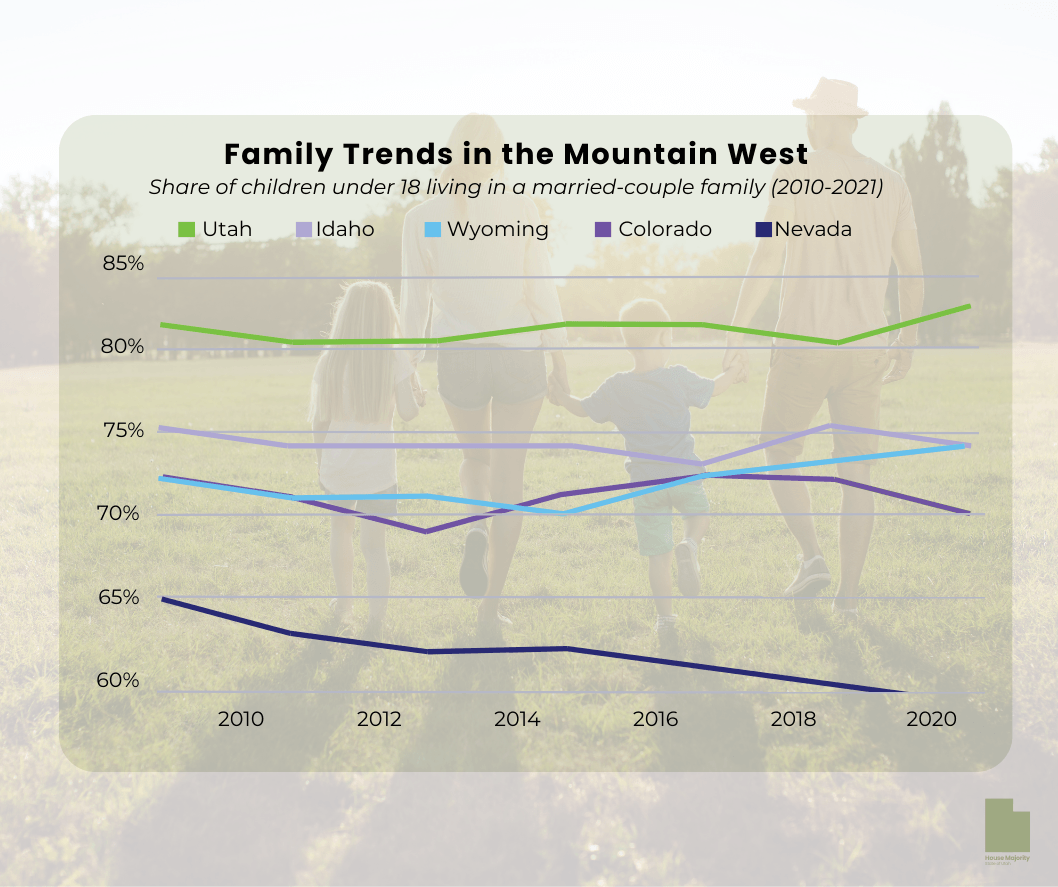
As the most basic and fundamental unit of society, families are the bedrock of our thriving communities. Pro-family policies drive economic opportunity, promote happiness, foster social stability, and support the overall health of people. However, Utah families, just like families around the country, face new and evolving challenges. We are working to adopt policies this Legislative Session that will support families with children, eliminate unnecessary regulations, and increase awareness about the importance of strong families. The bottom-line goal is to help families thrive in all facets of life. |
|
Success Sequence |
|
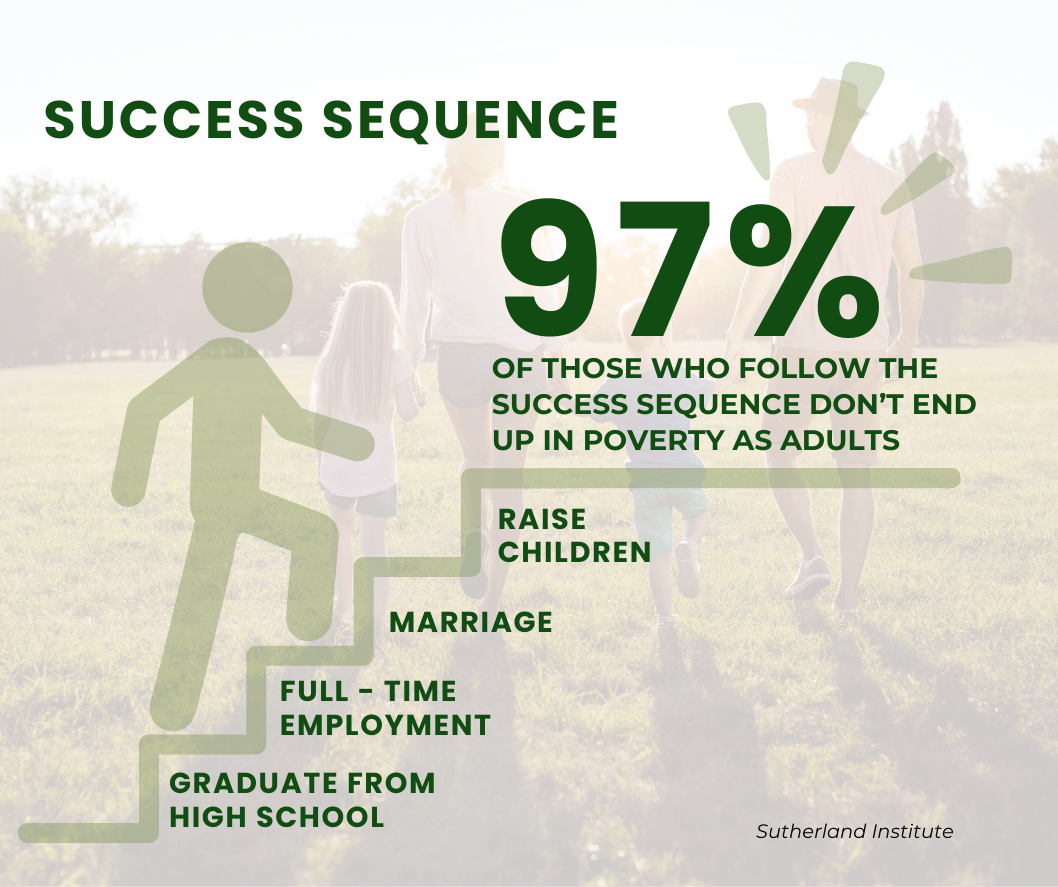
Researchers credit Utah’s tight-knit families and historically high birth rates with fostering the state’s economic might and high quality of life. However, we’re not immune to national trends of declining emphasis on the family. A growing body of research finds that adults who follow a specific sequence of life events live happier, more prosperous lives. We are working on policy solutions to strengthen this sequence and help current and future Utah families thrive. |
|
Legislative Spouses Service Project |
|
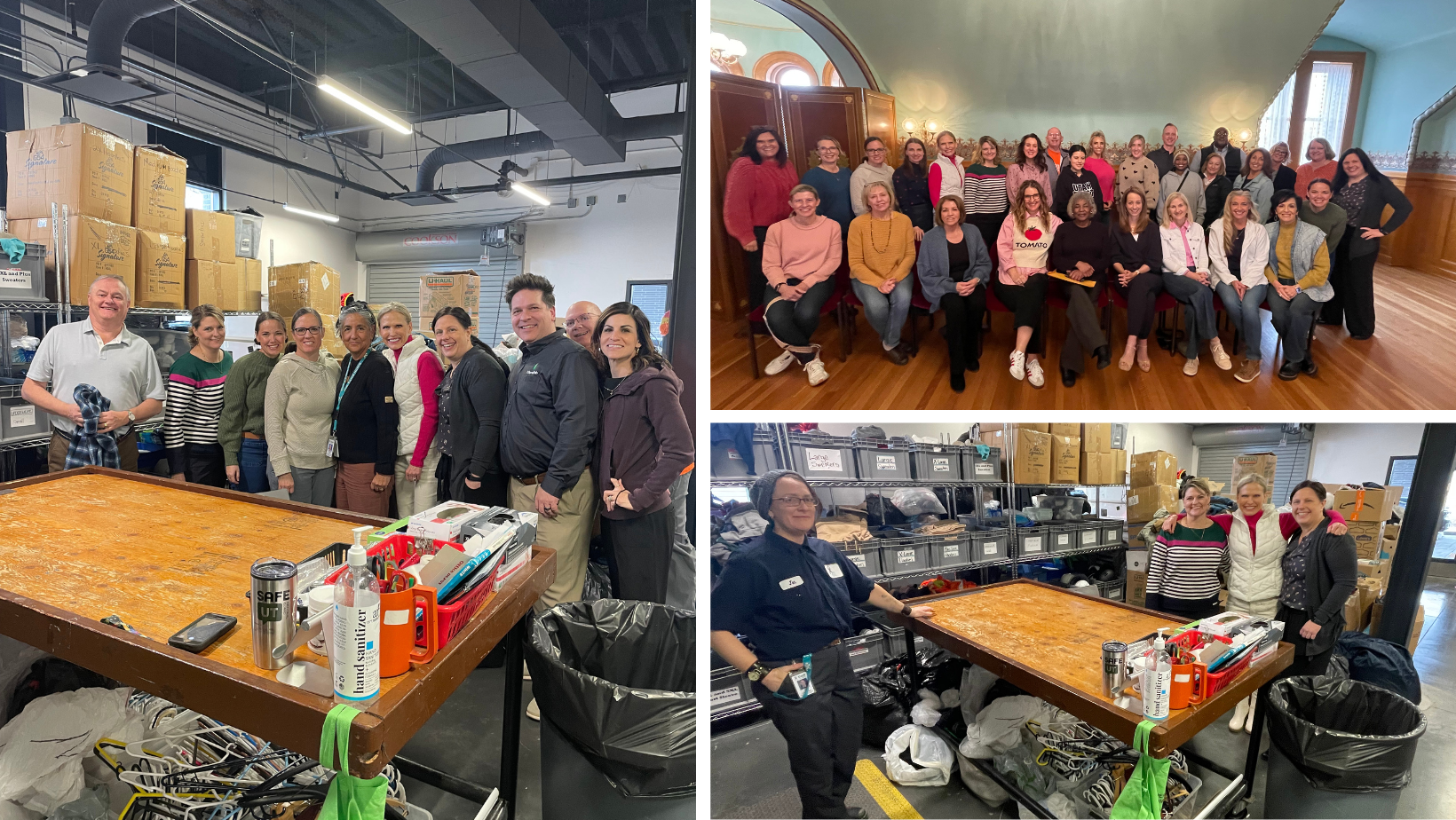
First Lady Abby Cox and Susan Adams (wife of Senate President Stuart Adams) recently invited the Legislative Spouses to join them for the annual SHOW UP for Service Event, this year focusing on the State’s Homeless Shelters. Participants went to four different facilities in the Salt Lake area. My wife, Roxane, went to the Pamela Atkinson Resource Center, a 300-bed emergency shelter for men in South Salt Lake where guests are connected to crisis services such as beds, three daily meals, showers, blankets, clothing, laundry, and more. There she helped sort donations into organized bins labeled by size, enabling more efficient distribution of new and used clothing to those in need. Other volunteers served a delicious hot meal to approximately 75 people. Also known as the Road Home, this resource center is always grateful for donations of men’s clothing including socks, belts, jeans, coats, shoes and other items. |
|
Meet My Legislative Intern |
|
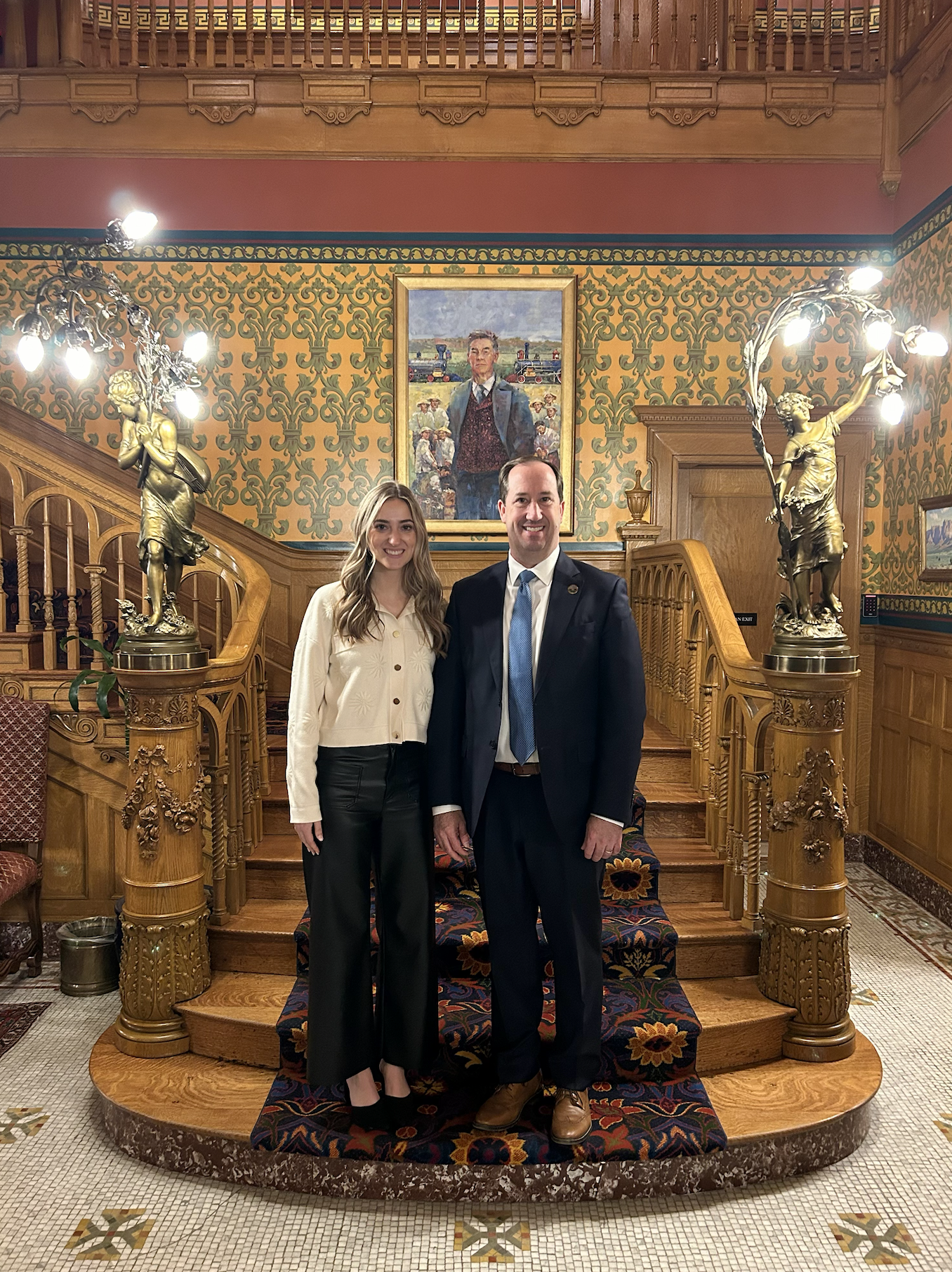
Each year all the Universities throughout the state offer a legislative internship program to give students the opportunity to gain a hands-on experience of being involved in the legislative process. Through a competitive application process, each university selects and sends a handful of students to the Legislature and each intern is assigned to a specific Representative or Senator.
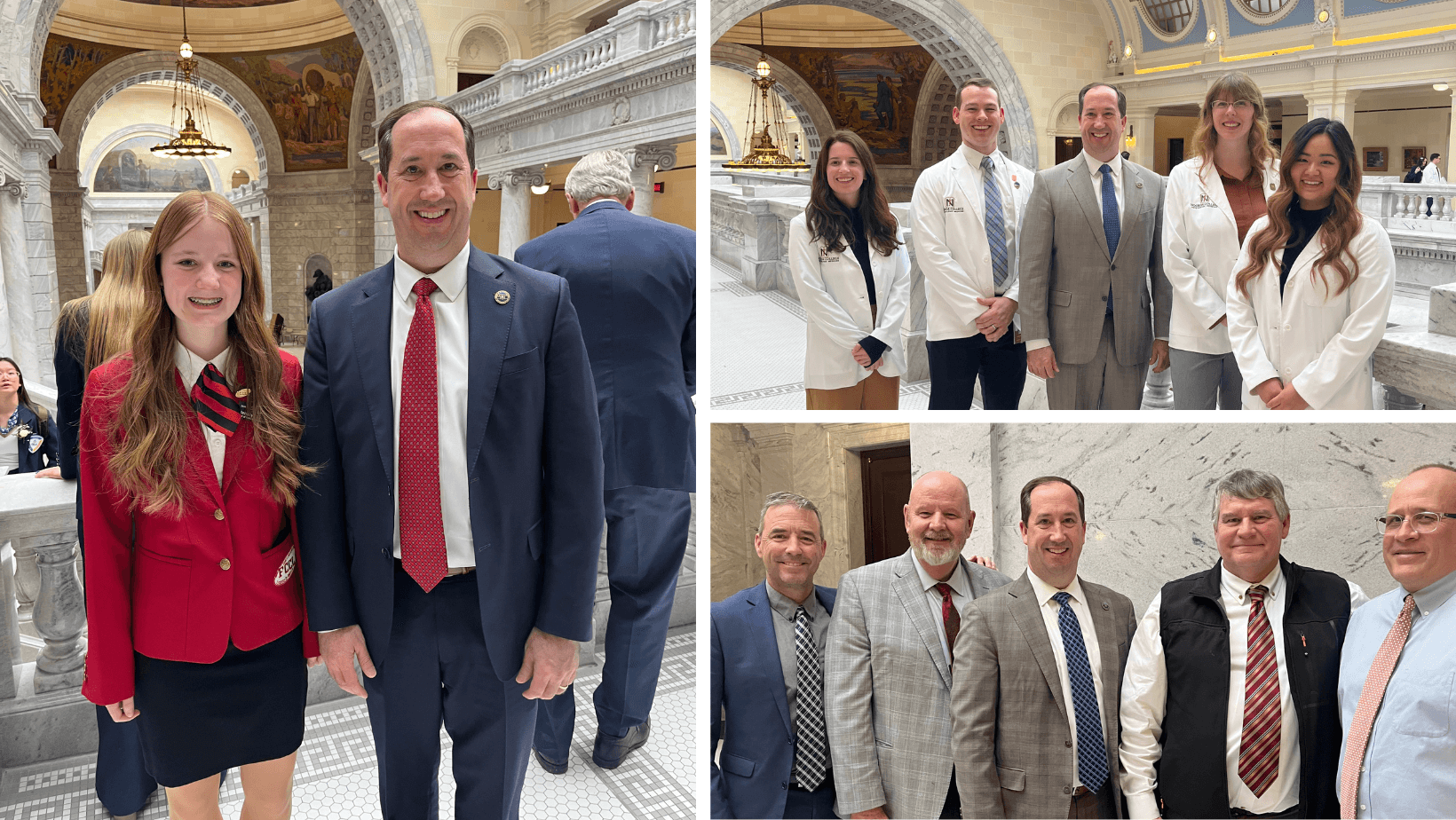
During this Legislative Session, I have a very unique and special opportunity as my daughter Rebecca, who is a senior at UVU, was selected for the internship program and then was assigned to me. Having her as a legislative intern provides tremendous help, coordination, and support with the many demanding priorities and issues we are facing at the Capitol on a daily basis. Please continue to reach out to me or Rebecca throughout the Session. We would be happy to help you. Rebecca’s cell: 385-420-3147; email: rwhyte@le.utah.gov.
If you or someone you know is attending any university in the state, please let them know about the legislative internship program and have them contact their university’s internship office to learn about the incredible opportunity to work with a legislator during next year’s Legislative Session. |
|
Spotlight on my Bill - HB 97 |
|
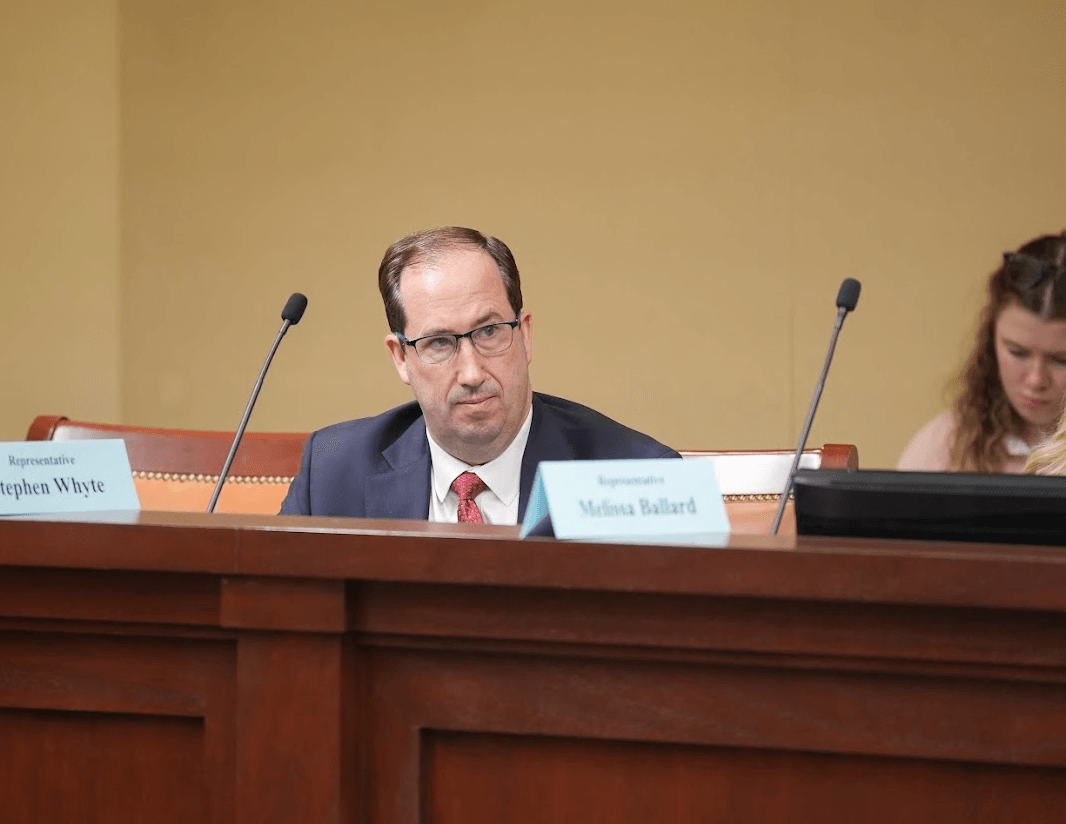
I am proud to sponsor HB97 – Postsecondary Education Transparency Act, a bill aimed at increasing transparency in higher education institutions across Utah. This legislation ensures that students and their families are fully informed about the costs, financial policies, and accreditation status of educational programs before making a commitment.
HB97 also protects students' rights by establishing a "cooling-off" period, allowing students to reconsider their enrollment decisions without pressure. This added protection promotes informed decision-making, ensuring that students can pursue their education with confidence.
By improving transparency and protecting students' ability to make thoughtful decisions, HB97 benefits Utahns by fostering a more equitable and responsible educational environment. This bill has now been unanimously passed by the House of Representatives and the Senate and is now on the Governor’s desk for his review and anticipated signature so it will become law. |
|
|
Utah’s Budget: Balanced, Responsible, and Accountable |
|
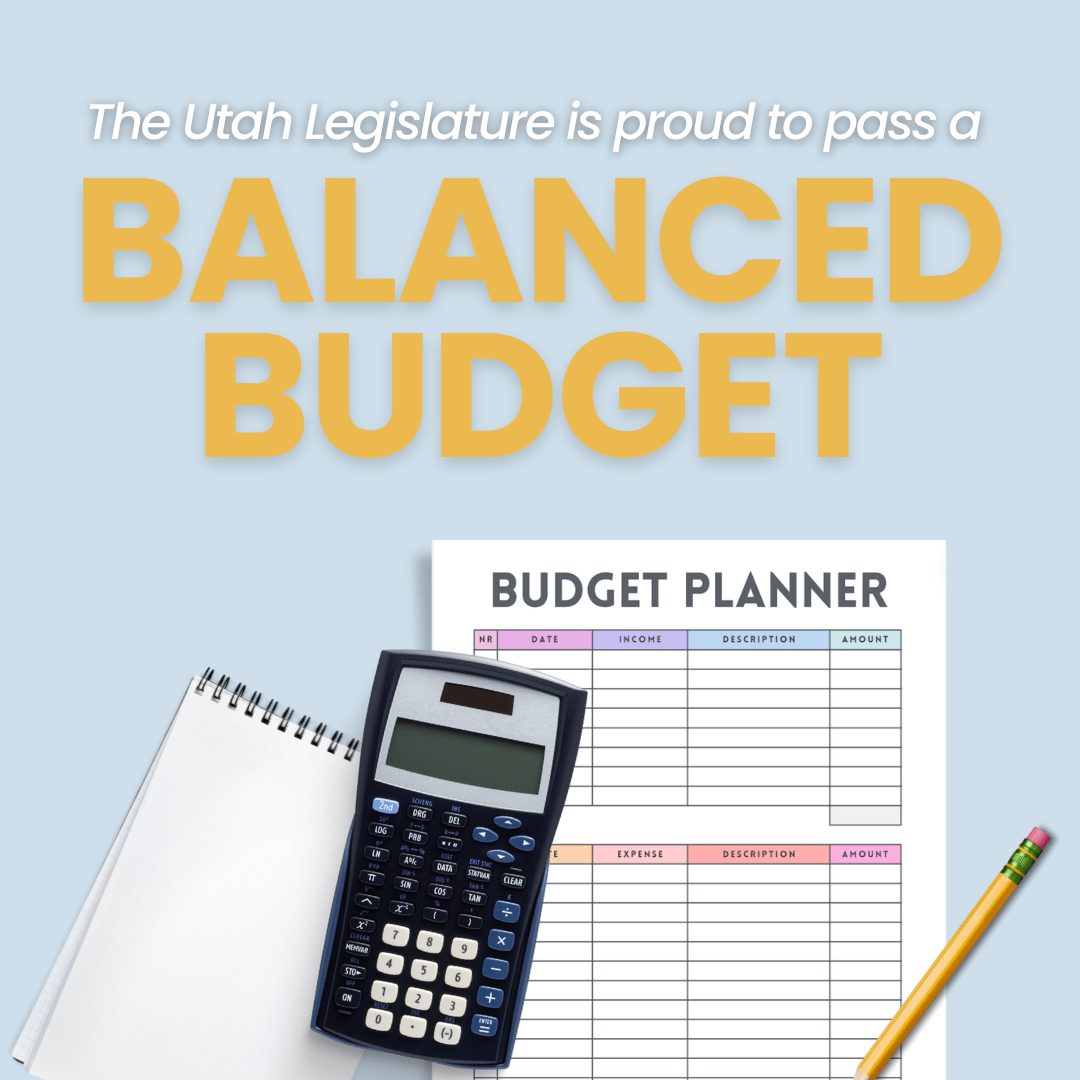
As your representative, I take seriously the responsibility of ensuring your tax dollars are used wisely. Utah’s Constitution requires us to pass a balanced budget, meaning we cannot spend more than we bring in—no deficit spending, no kicking the can down the road. This commitment to fiscal responsibility has made Utah one of the best-managed states in the nation.
|
|
|
Bringing the Olympics Home to Utah |
|
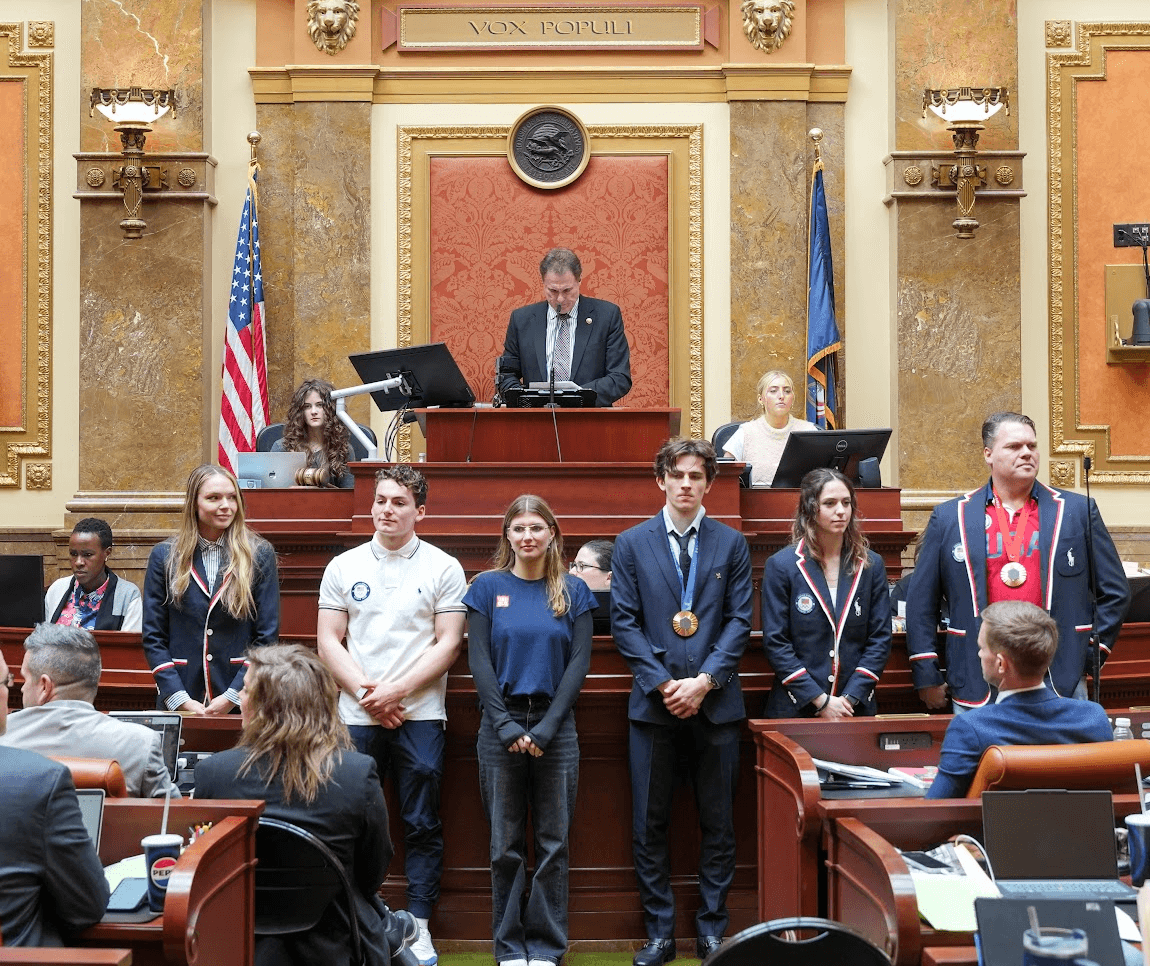
Utah is officially on the road to hosting the 2034 Olympic and Paralympic Winter Games! With the organizing committee officially formed, our state is ready to build on the legacy of the 2002 Games. These Games will not only showcase Utah’s world-class venues but will also focus on engaging communities across all 29 counties in our state. As we prepare to welcome the world once again, we are committed to ensuring that the Games leave a lasting impact for generations to come. Let the countdown begin! |
|
|
Voting Record and Position Perspectives |
|
Bill topics have once again been vast and varied this week including: AI, construction, dentistry, E-Verify, toy guns, Medicaid, career technical education, federalism, housing attainability, child porn, infrastructure, federal overreach, car dealerships, mental health, sanctioned crime and many, many more. Below is my voting record for the 5th week of the Legislative Session. Additionally, there have been several bills that I feel would be helpful to explain to reduce confusion, put details into context, and to provide my voting rationale:
|
HB120 Time Change Amendments |
|
For the past several years, I’ve consistently been told by people living in our House District 63 that Utah needs to stop changing our clocks each spring and fall. With 75-80% of all Utahns feeling the same way, a bill (HB120 Time Change Amendments) was brought forward this legislative session to address the issue. On February 5, 2025, the full House of Representatives debated and voted on the issue and the bill passed the House and will move to the Senate for further consideration.
Due to the overwhelming input of support of this bill from our House District 63, I voted in favor of the bill recognizing there are pros and cons to it and those in support of the bill wouldn’t experience its full implications until later this summer. Here’s some background and details about the bill:
Background:
If the bill comes law, here is what will take place:
February 19, 2025, update:
|
HB432 Tobacco and Electronic Cigarette Modifications |
|
The bill HB432 Tobacco and Electronic Cigarette Modifications was presented to the Business and Labor Committee on February 18, 2025. After receiving significant input in opposition to this bill from a multitude of people living within our House District, meeting and gathering info and data from medical and healthcare professionals, having personally visited high schools within our communities to talk with students, teachers, and counselors about vaping, and analyzing the 2024 legislative bill SB61 (which I supported and which became law in 2024), I voted in opposition to HB432 for the following reasons:
Current problem:
2024 Solution:
Problems with HB432:
Additionally:
|
HB69 Government Records and Information Amendments |
|
The bill HB69 Government Records and Information Amendments has resulted in a lot of information being circulated in the media and social media, some of which is confusing and contradicting. This bill received many adjustments as it went through the legislative process resulting in the 4th substitute being adopted and passed by the House of Representatives and Senate. Enclosed below are background details and my voting rationale in support of this bill. This bill addresses two items: 1) public officials handling of voter and ballot information, and 2) attorney’s fees involving government records requests:
|
SB37 Minimum Basic Tax Rate Amendments |
|
I’ve found that there is some misinformation and misinterpretation of details that are being shared on social media and in news stories about this bill. Any policy related to school funding is important to our community, and I hope the following details will clarify what this proposed bill accomplishes.
What SB37 does:
What SB37 does NOT do:
Schools will continue receiving the same amount of money on the same schedule with complete flexibility to use it as needed. Through SB37, a more seamless and straightforward accounting process is created to fund public education, which is why I voted in support of this bill. Supporting education is one of my top priorities, and I remain dedicated to making sure that students and teachers have the resources they need to succeed. |
Here is my voting record for the 5th week of the Legislative Session: |
HOUSE FLOOR VOTES: |
|
HJR 3 Yes HB 299 Yes SB 151 Yes HB 142 Yes HB 436 Yes HB 92 Yes HB 136 Yes HB 183 Yes HB 65 Yes HB 323 Yes HB 353 Yes HB 358 Yes HB 244 Yes HB 308 Yes HB 313 Yes HB 215 Yes HB 153 Yes HB 292 Yes HB 122 Yes HB 40 Yes HB 262 No HB 188 Yes HB 224 Yes HB 310 Yes HB 347 Yes HB 372 Yes HB 25 Yes HB 44 Yes HB 69 Yes HB 124 Yes SB 50 Yes SB 95 Yes SB 29 Yes SB 66 Yes SB 101 Yes SB 36 Yes SB 96 Yes SB 54 Yes SB 55 Yes SB 44 Yes SB 37 Yes HB 191 Yes HB 210 Yes HB 447 Yes HB 274 Yes HB 296 Yes HB 400 Yes HJR 1 Yes HB 225 No HB 305 No HJR 6 Yes SB 118 Yes HCR 8 Yes SB 145 Yes SB 45 Yes SB 77 Yes SB 48 Yes SB 120 Yes SB 76 Yes SB 100 Yes SCR 1 Yes HB 334 Yes HB 370 Yes HB 383 Yes HB 354 Yes HB 240 Yes HB 243 Absent for housing affordability meeting HB 58 Yes HB 437 Yes HB 187 Yes HB 415 Yes HB 421 Yes HB 392 Yes HB 393 Yes HB 27 Yes HB 129 Yes SB 117 Yes HB 366 Yes HB 167 Yes HB 201 Yes HB 186 Yes HB 278 Yes HB 301 Yes HB 441 Yes HB 373 Yes HB 418 Yes HR 4 Yes HB 293 Yes HB 39 Yes HB 488 Yes HB 311 Yes HB 440 Yes HB 233 Yes HB 250 Yes HB 381 Yes HB 363 Yes HB 391 Yes HB 465 Yes HB 63 Yes HB 343 No HB 346 Yes HB 202 No HB 350 Yes HB 77 Yes HCR 7 Yes HB 162 Yes HB 414 Yes HB 349 Yes HB 471 Yes |
COMMITTEE VOTES: |
|
HB 322 Yes HB 432 No HB 279 Yes HB 227 Yes HB 15 Yes HB 472 Yes HB 37 Yes HB 352 Yes HB 516 Yes HB 491 Yes HB 466 Yes |
|
|
I would love to hear from you! |
|
District 63 Representative Stephen L. Whyte swhyte@le.utah.gov 385-271-8435 Facebook: @Stephen Whyte X: @RepWhyte Instagram: @Stephen Whyte |
|
|


|
Unsubscribe from future updates |