|
|
LEGISLATIVE REPORT: WEEK 1 |
|
Hello from Capitol Hill. The 2025 Legislative Session of the 66th Legislature began this week and we’ve hit the ground running. The 45-day annual Session allows for a true citizen legislature. Each January, teachers, engineers, farmers, attorneys, ranchers, accountants, retirees, real estate agents, and more come together from every corner of the state to serve in the Legislature. Such a variety of backgrounds, expertise and experiences bring real-world perspectives as policies and budgets are debated and voted upon.
I consider it a tremendous privilege and sacred trust to serve and represent you. Our Founding Fathers envisioned government of the people, for the people, and by the people on ALL levels. Elected officials are not in charge of our state. We, the people, are in charge. I invite you to come to the Capitol or virtually join a committee meeting and share your concerns and recommendations as a bill is debated. You may also email or text me your ideas, concerns, and recommendations so that together we can make Utah even better for our families, businesses, and communities. |
|
Exclusive Invitation Just For You: Family Night At the Capitol |
|
I would like to personally invite each of you to the Capitol for a special event I’m hosting just for our House District 63. Here are all the details. RSVP quickly as space is limited.
|
|

|
Helpful Resources For You |
|
There are many free and easy to use resources to stay informed and involved during the legislative session. At the website le.utah.gov, you’ll find the following:
|
|
Locals on the Hill |
|
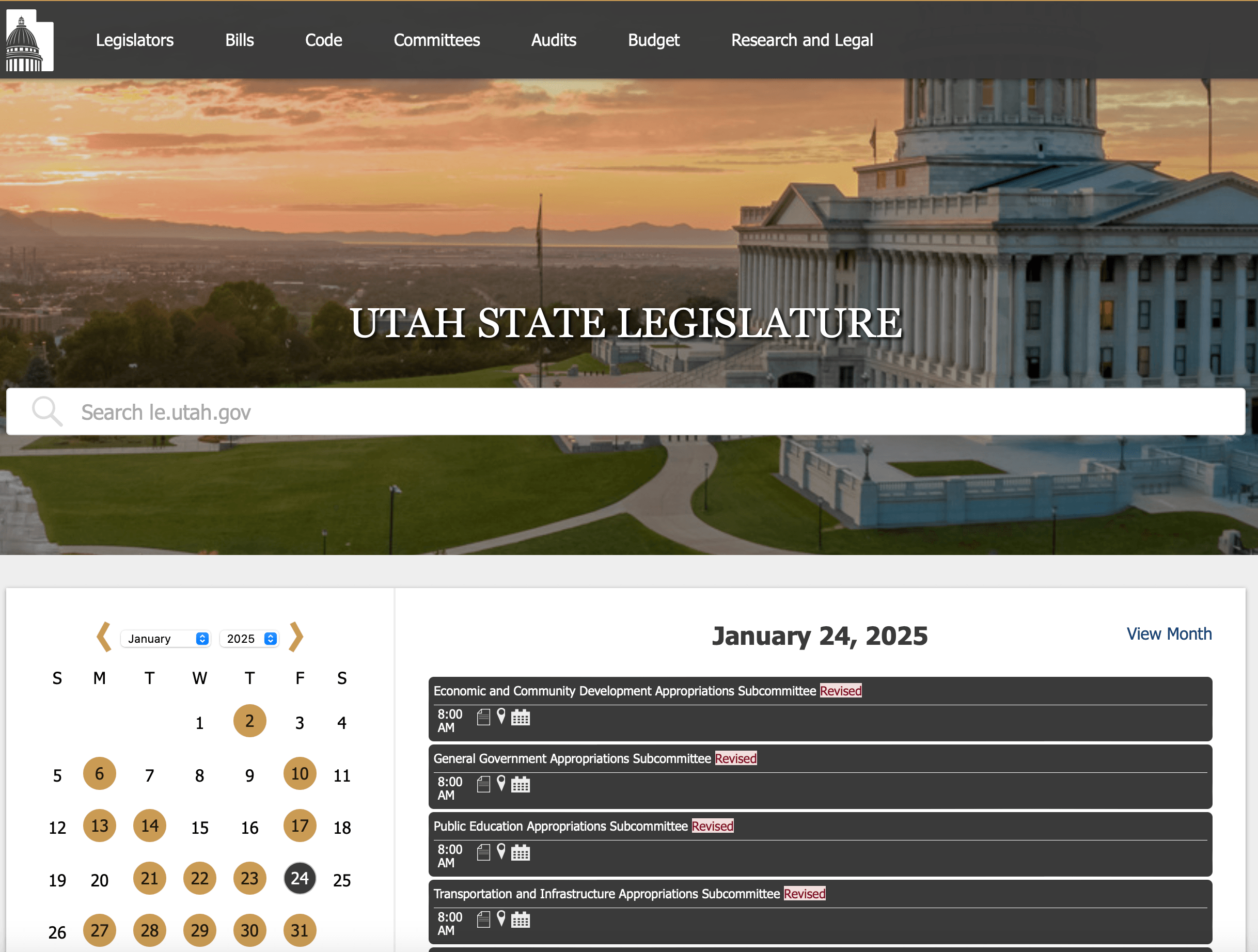
This week our communities were represented very well on Capitol Hill with our mayors, city councils, youth city councils and their advisors. Their combined vision, leadership, and involvement is critical on local and statewide issues. Our future is bright with the next generation of leaders who are serving on our youth city councils. It was also a privilege to be with the 5th graders from Rees Elementary in Spanish Fork and their amazing teachers and parents. Thank you to everyone who has reached out to me this week. |
|
State of the State Address |
|
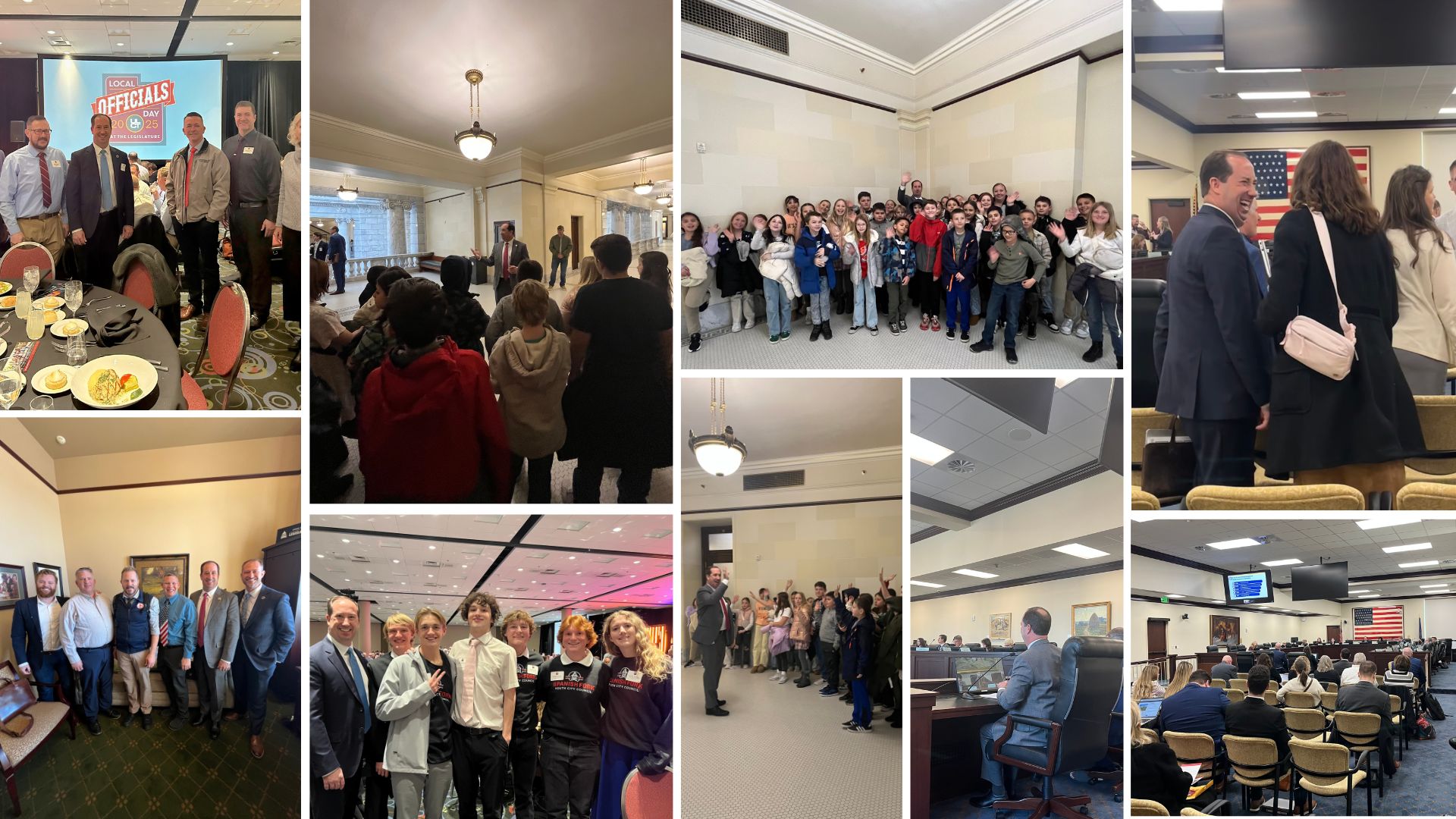
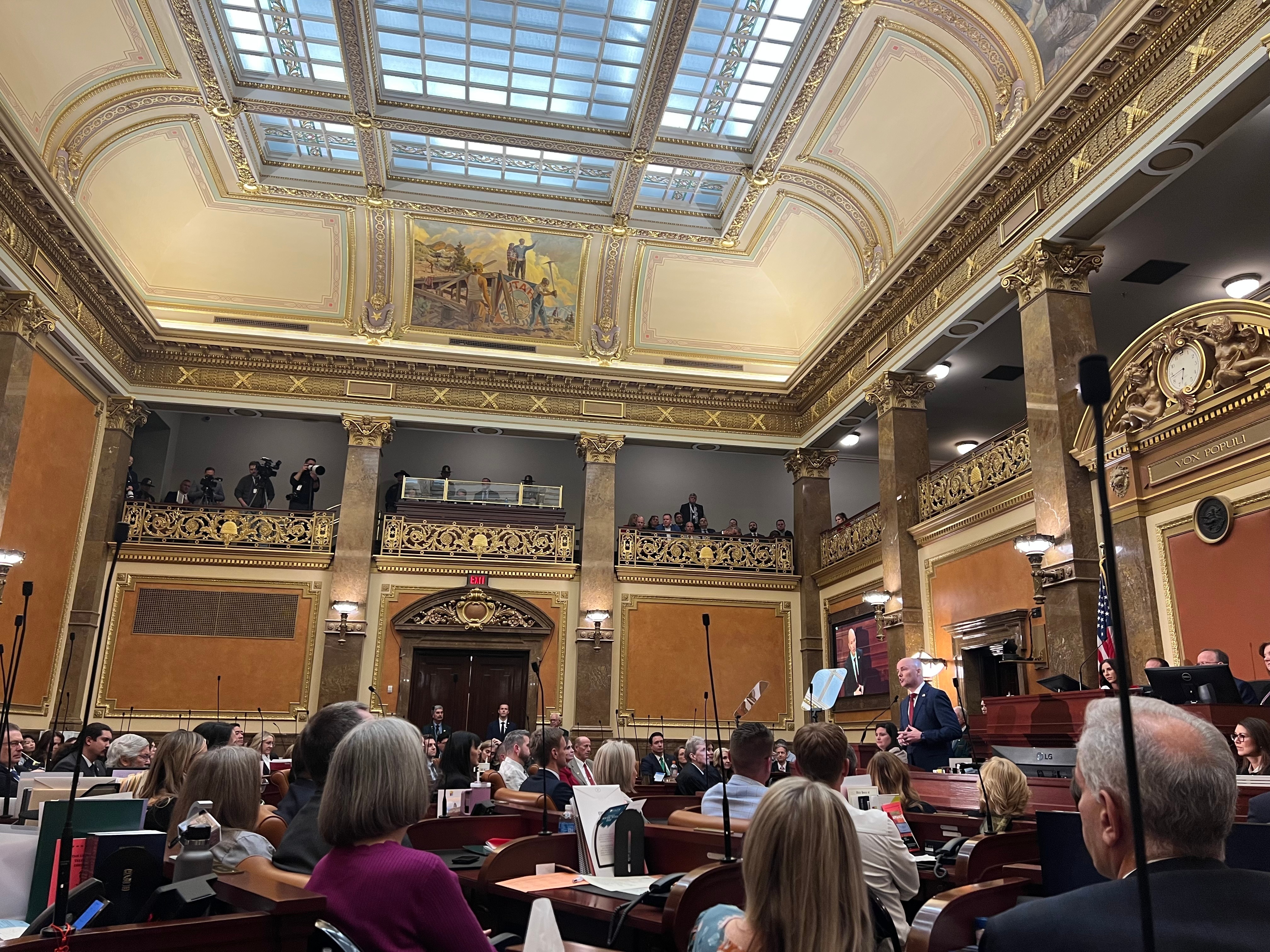
It was an honor to be in the House Chamber last night when Governor Spencer Cox gave his annual State of the State Address. In case you missed his remarks, you can watch/read them here. |
|
Policy Priorities This Legislative Session |
|
During this legislative session, we will pass policies that address today’s problems and create generational benefits for our local neighborhoods and the entire state.
Beginning with Utah’s early inhabitants, explorers, and pioneers, the people of Utah have always acted boldly to secure a bright and prosperous future. Today, Utah enjoys an elite economy, abundant natural resources, and unmatched opportunity. No wonder we are one of the nation’s fastest growing states.
During the next 45-days, we will stay true to Utah’s core values. Our focus on families, common-sense solutions, fiscal prudence, and long-term thinking remains foundational to our success and prosperity. With your input and involvement, we’re focusing on policies surrounding:
Click here to learn more about each of these crucial policy areas which were created with your input and recommendations. This policy roadmap builds on Utah’s rock-solid foundation as the best-managed, most philanthropic, happiest, and freest state in the nation. |
|

Public Safety and the Southern Border Crisis |
|
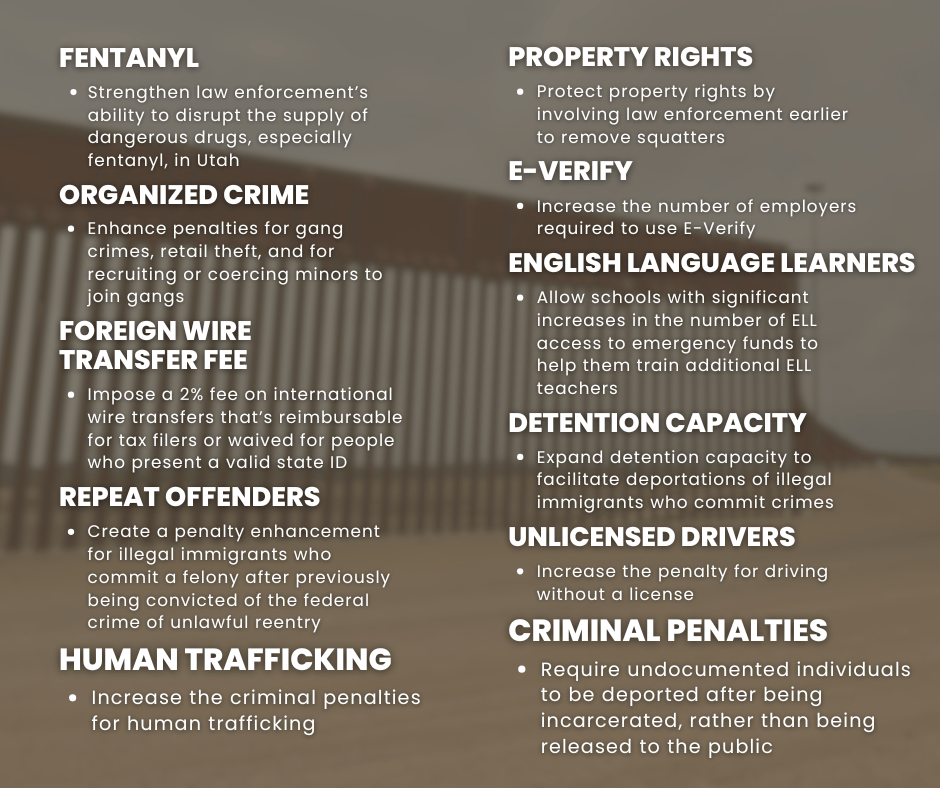
The Biden administration’s inaction at the Southern border has strained our communities, public safety, and education systems. While supporting legal immigration, we must protect our communities. That’s why we’re introducing bills to hold accountable criminals that are here illegally, including stricter penalties for fentanyl trafficking, recruiting minors into gangs, driving without a license, and other crimes. By taking these steps, we are reinforcing our commitment to both the rule of law and the safety of all Utahns. |
|
Higher Education |
|
This year, the Utah Legislature is reimagining higher education to better serve students and the workforce. By streamlining operations, reducing administrative costs, and investing in high-demand programs, we aim to make education more affordable and impactful. Expanding career and technical education will equip students with practical skills for well-paying jobs while strengthening Utah’s economy. With a decline in college-age students on the horizon, now is the time to take bold action to ensure higher education remains a driver of growth and opportunity. Watch this short video to learn more. |
|
|
Bill Highlights and Position Perspectives |
|
Amongst the many bills debated and voted on this week on the House floor, I’d like to share my position perspectives on one particular bill that has been in the news this week. In addition, below are all of the bills debated on the House Floor this week and how I voted. |
Policy Perspective: HB267 Public Sector Labor Unions |
|
On January 23, the bill HB267 Public Sector Labor Union was presented to the House Business, Labor and Commerce Standing Committee on which I serve. This bill is specifically related to public labor unions in Utah. There are many public labor unions within the state and all public labor unions would be involved in this legislation. To explain what this bill would do and not do, clarify misinformation and misunderstanding being shared on social media, and to address the questions that some public-school teachers have expressed, below are questions and answers, background about the bill’s details, and my voting rationale in the committee meeting.
Questions:
HB267 is designed to ensure fairness, transparency, and accountability in how public resources are used while continuing to support Utah’s public employees. This bill would accomplish four main things:
As I have researched the issues at hand, I have found the following:
In light of all this information, I voted in support of this bill in the committee meeting. The committee’s vote to support this bill means this bill will move forward in the legislative process for further discussion, debate, and vote. |
Here is my voting record for the first week of the Legislative Session: |
|
HJR4 Yes HCR1 Yes HR1 Yes HB11 Yes HB12 Yes HB13 Yes HB14 Yes HB 16 Yes HB 20 Yes HB 21 Yes HB 22 Yes HB 26 Yes HB 29 Yes HB 31 Yes HB 32 Yes HB 35 No HB 36 Yes HB 43 Yes HB 44 Yes HB 51 Yes HB 56 Yes HB0061S01 Yes HB0067 Yes |
|
|
|
I would love to hear from you! |
|
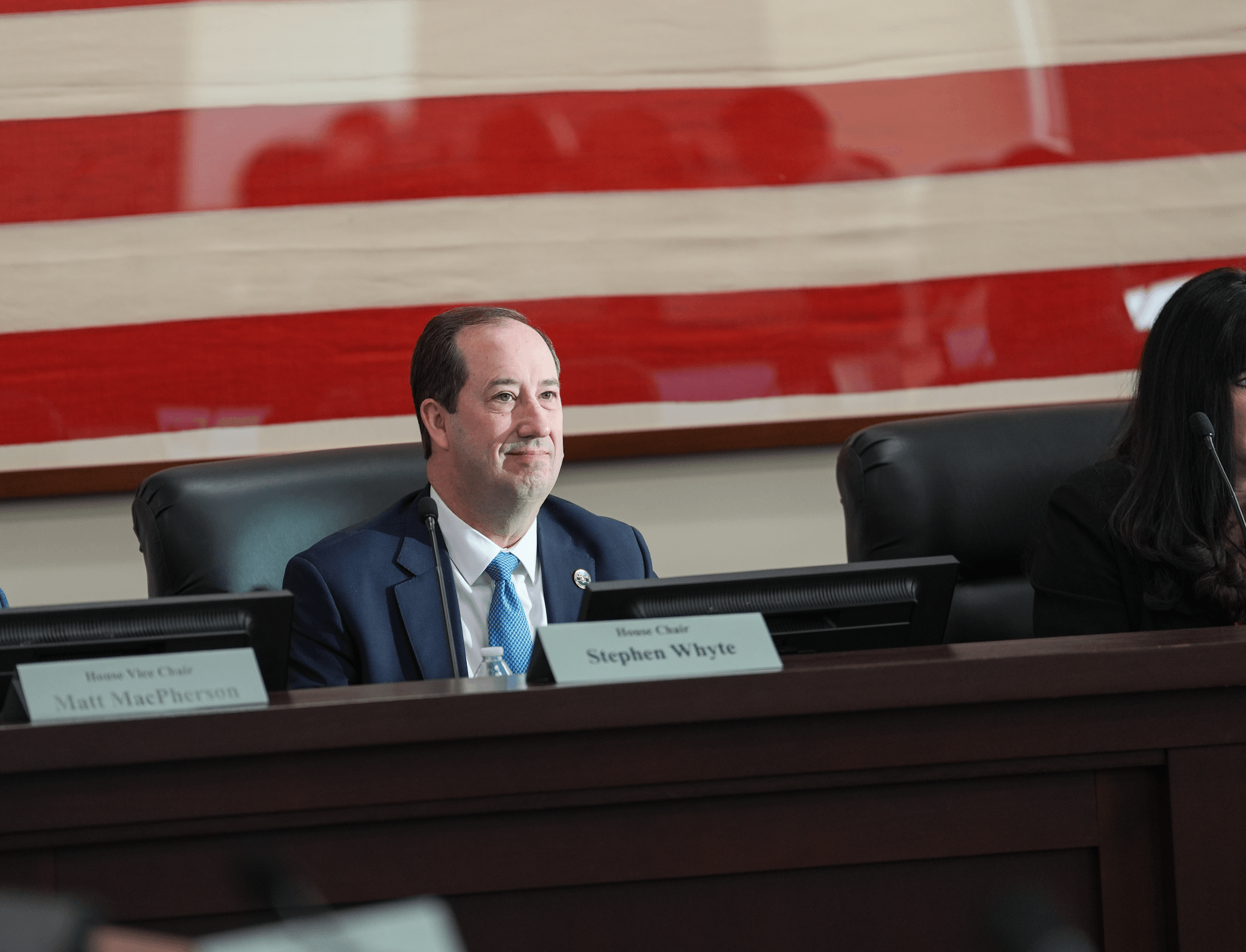
District 63 Representative Stephen L. Whyte swhyte@le.utah.gov 385-271-8435 Facebook: @Stephen Whyte X: @RepWhyte Instagram: @Stephen Whyte |
|
|


|
Unsubscribe from future updates |