|
|
September Recap 2026 Legislative Newsletter |
|
Hello Friends,
I hope you are enjoying this beautiful fall season, watching the leaves change, cheering on our favorite local athletic teams, and spending time with family and friends. Amidst the complexity and commotion of the world, I’m grateful we live in such a wonderful place. My goal is to help us maintain a wonderful place to live, learn, work and play.
To keep you informed and fulfill my commitment to be accountable and transparent, enclosed below are updates on important issues facing our community and state. Even though the Legislature is not in session, there is a great amount of work that is being done. It is a privilege to serve you and work with you as your House District 63 Representative. |
|
Upcoming Events and Important Dates |
|
Upcoming Events and Important Dates
|
|
Listening, Learning and Advocating For You |
|
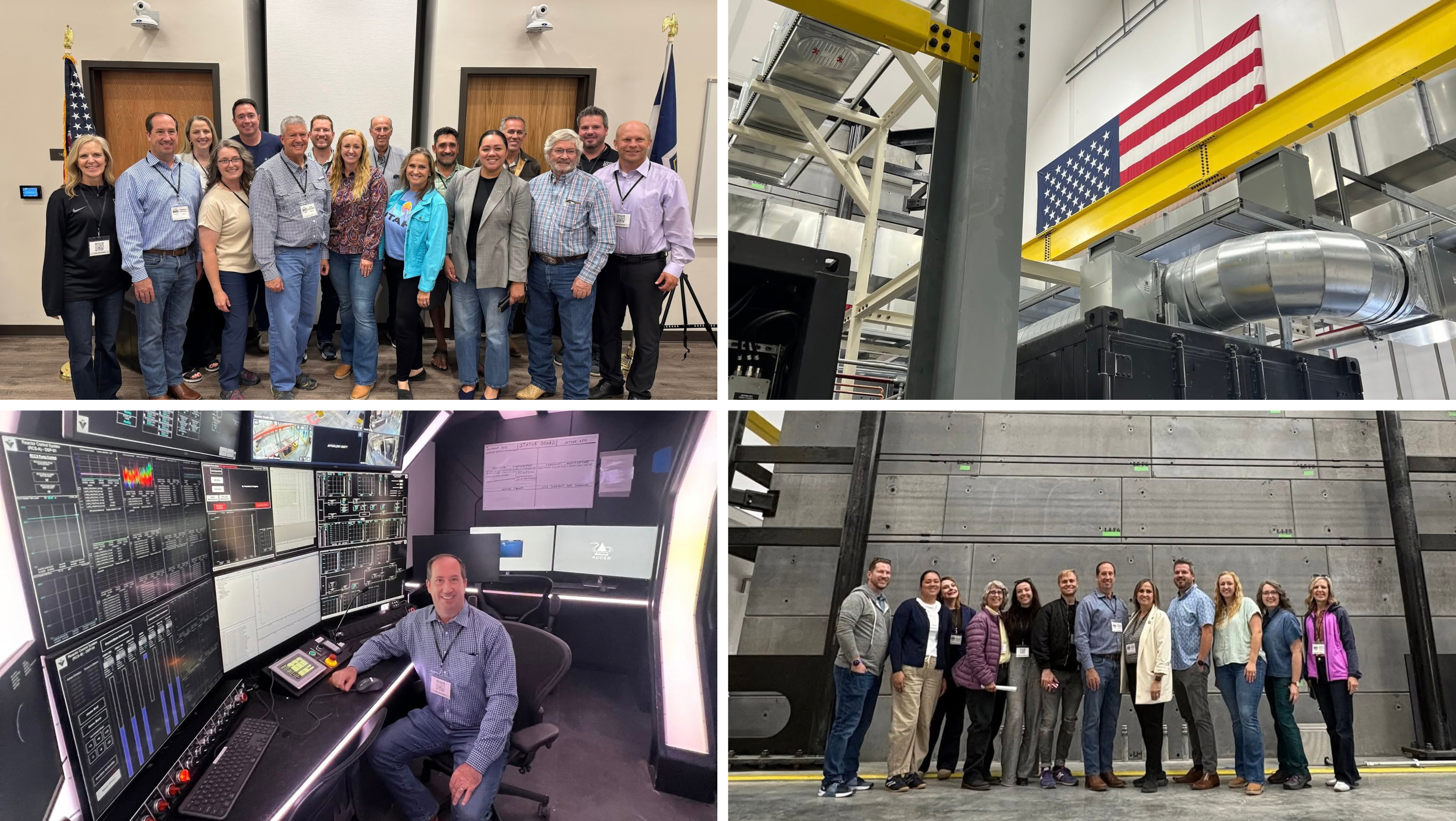
This month I had the opportunity to spend time in Southeastern Utah seeing energy projects underway at San Rafael Energy Lab, Valar Atomics, and in our mining industry. I also saw positive outcomes of recent legislation to increase Utah’s energy production capacity. As a state we need to continue to focus on an all-of-the-above approach with our abundant energy resources so we can have reliable, affordable, dispatchable power to keep costs down while energizing our homes and economy. |
|
|
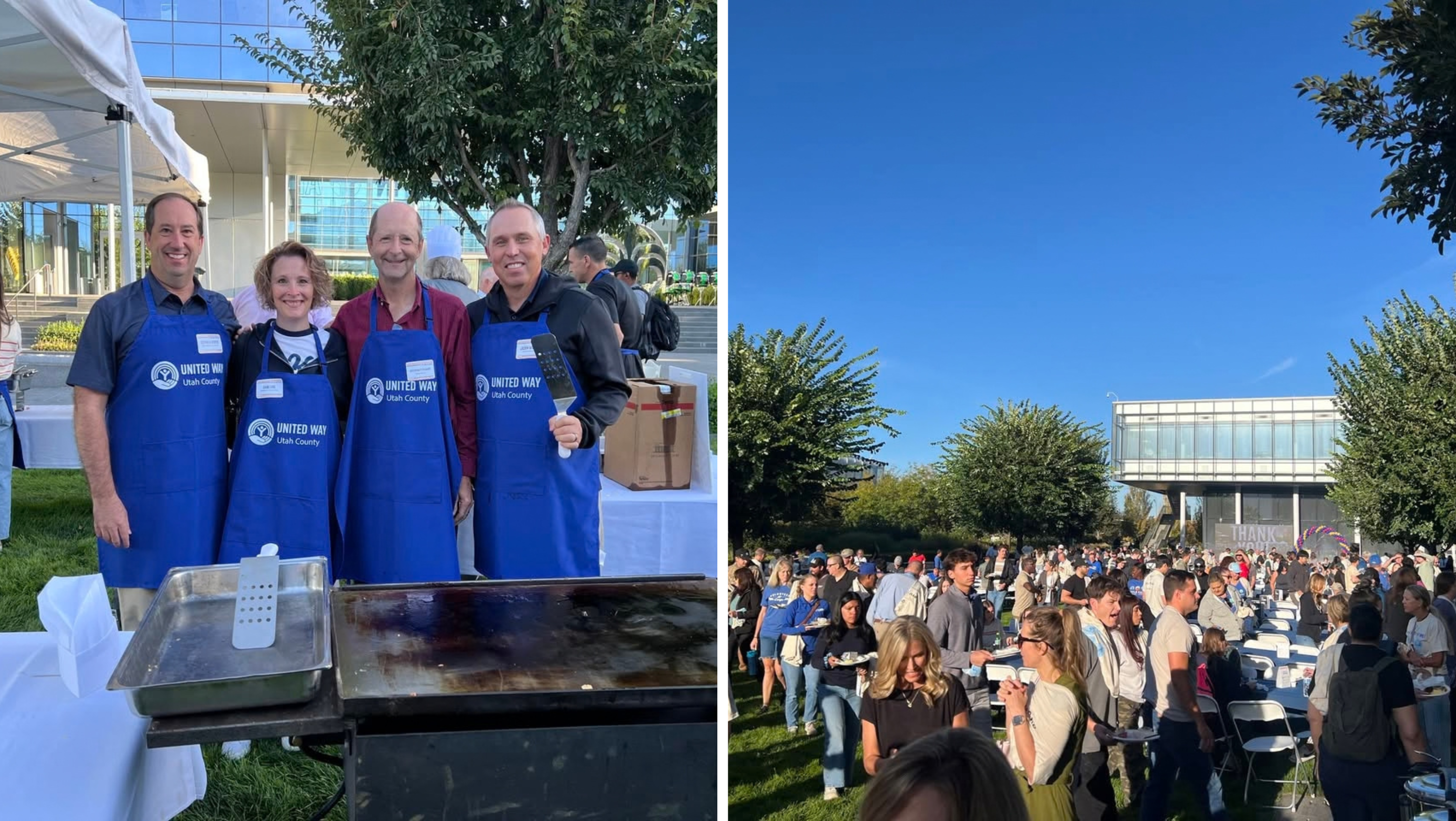
I had the privilege of serving with local neighbors in the Utah Way of Utah County’s annual Day of Service. 2,000 volunteers, 67 project sites, 53 participating companies and organizations, 32 schools and 33 nonprofits all joined together to complete hands-on projects to improve learning, strengthen family-serving organizations, support essential services and renew public spaces locally and throughout Utah County. Serving on the Board of Directors, and serving pancakes to thousands of volunteers, was a great way to start the Day of Service. |
|
|
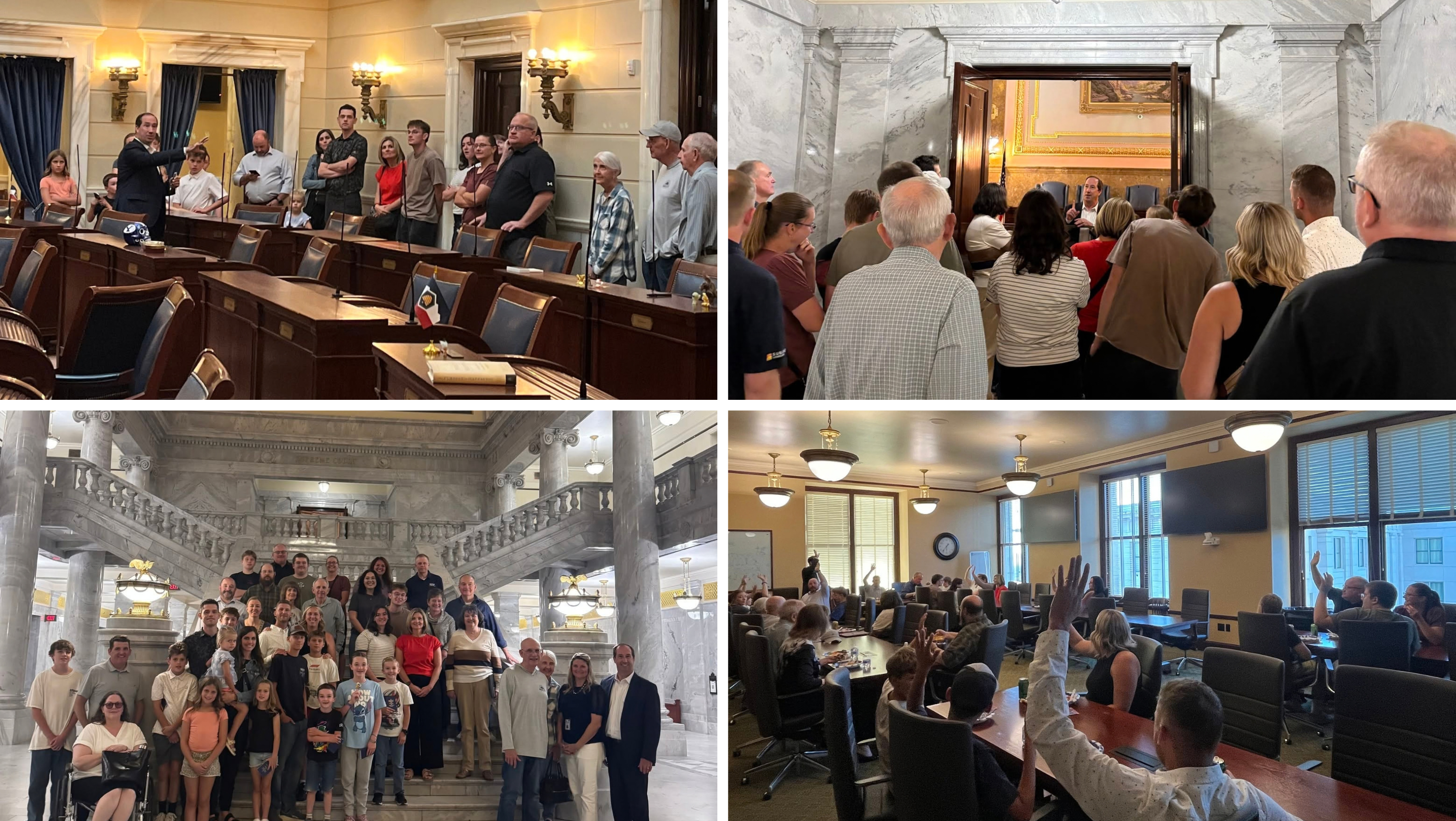
Thank you to everyone who came to my “Family Night at the Capitol” from our local neighborhoods. It was wonderful to be with you, to hear what is on your minds, to eat some yummy pizza together, and talk about our amazing state. I especially loved the questions from all the children and teenagers. What a great community we have. It is a privilege to serve and represent you in the Legislature: |
|
|
September Interim Highlights |
|
All Legislators gathered at the Capitol for September interim meetings to continue reviewing key policy issues and preparing for the upcoming General Session that starts in January. Interim committees heard presentations and received updates on a wide range of topics, including education, healthcare, AI, agriculture, behavioral health, data centers, law enforcement, Medicaid, automatic license plate readers, MIDA, electric mobility, public safety, and more. The Legislative Committees have opened 25 bill files. Bill details and a summary of all the September interim committee meetings can be found here.
These meetings allow me and other lawmakers to study complex issues, hear from subject matter experts and constituents, and evaluate potential policy solutions before legislation is considered. I appreciate the opportunity to engage in these discussions and help ensure our community's perspectives are represented as we work to address the challenges and opportunities facing Utah.
The next interim meetings will be held on October 20 and 21 at the Capitol. You can participate in person or online at le.utah.gov. |
|
|
Proposed Utah Constitutional Amendments This November |
|
I’ve been asked by many in our community for background and details regarding the two proposed Utah Constitutional Amendments that will be on the ballots we’ll be receiving in the mail in a few weeks. I’ve noticed there is some misinformation and incomplete details that are being shared via social media and in news articles, so here are factual details about both proposals. |
|
Constitutional Amendment A: |
|
The Utah Constitution currently requires public notices about constitutional amendments and statewide initiatives to be published in print newspapers in all 29 counties. While that made sense when newspapers were the primary source of information, most Utahns now rely on digital sources, mobile devices, and online platforms to stay informed.
Amendment A updates Utah’s public notice requirements to reflect how people access information today while preserving transparency and public awareness.
Utah taxpayers currently spend approximately $800,000 to publish these notices in newspapers statewide. Despite that expense, print notices are increasingly unlikely to reach the broad audience they once did. Amendment A allows Utah to use modern publication methods that can better connect voters with important election information while reducing unnecessary costs.
What Amendment A Does:
Public notice is only effective if people can easily find and review it. Amendment A ensures information about proposed constitutional amendments remains widely available while allowing state law to use communication methods that reflect how Utahns receive information today.
Amendment A does not eliminate public notice. It updates how public notice is delivered. By modernizing an outdated constitutional requirement, Utah can maintain transparency, improve accessibility and save taxpayer dollars.
A FOR vote on Amendment A supports a public notice process designed for today’s Utah voters while preserving the Constitution’s requirement that voters receive notice before a general election. |
|
Constitutional Amendment B: |
|
Amendment B asks: How easy should it be for your neighbor to raise your taxes?
Amendment B would require only statewide ballot initiatives that create new taxes, increase existing taxes or expand existing taxes to receive at least 60% voter approval before becoming law.
Why Amendment B Matters:
What Amendment B Does:
Accountability and Tax Policy:
A Higher Bar for Higher Taxes:
Protecting Utah's Decision-Making:
The Choice Belongs to Utah Voters:
A vote FOR on Amendment B means higher standards for higher taxes. |
|
Meeting Utah’s Wildfire Challenge |
|
Utah faced its most severe wildfire season in nearly two decades in 2026, with 1,227 fires burning 560,823 acres across the state. Despite the difficult conditions, firefighters contained the vast majority of fires while they were still small, protecting communities, homes and critical infrastructure. Human activity caused 494 fires, about 40% of the statewide total, accounting for more than 92,000 acres burned.
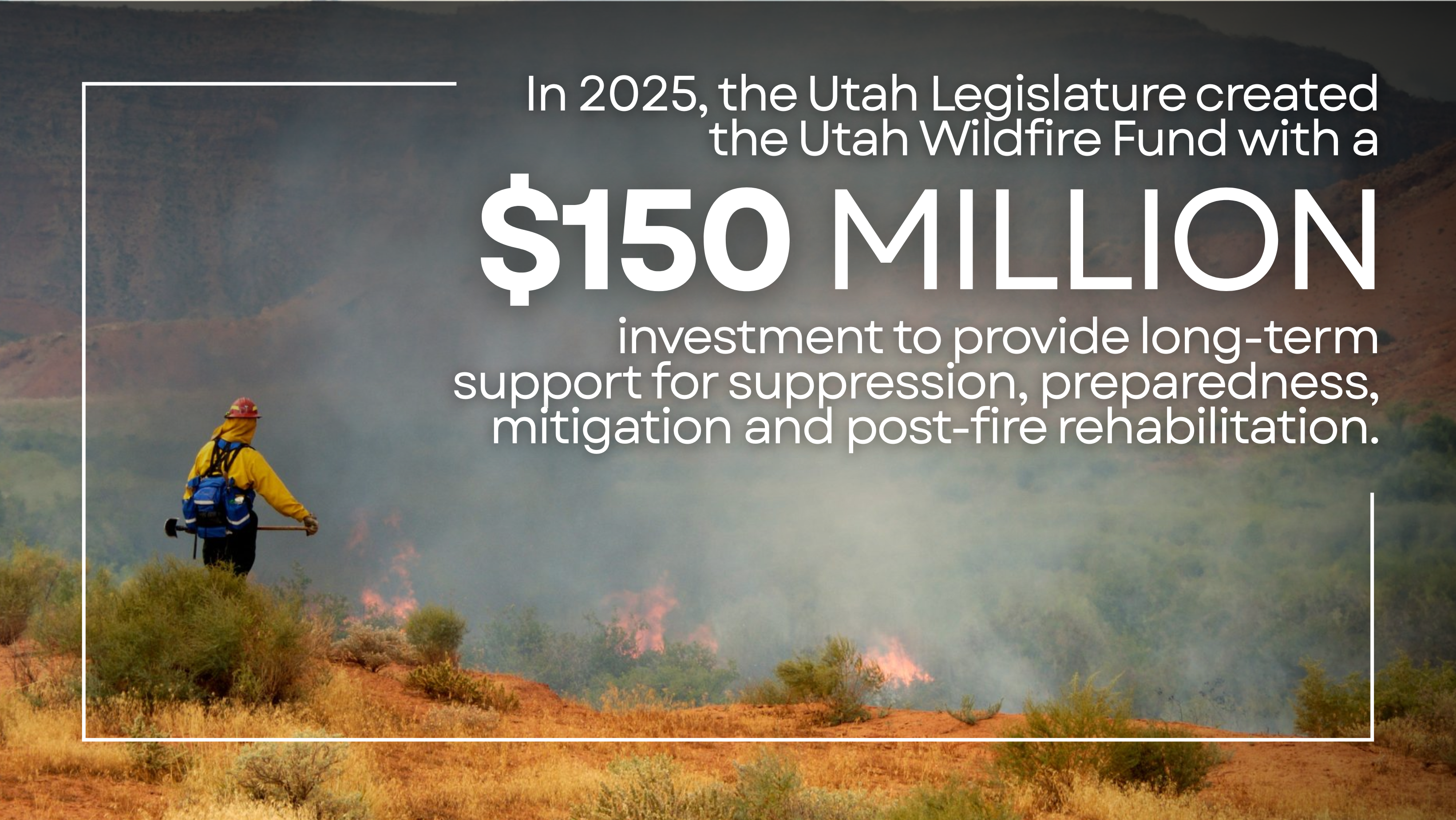
In recent years, the Legislature has significantly expanded Utah’s wildfire preparedness and prevention efforts. In 2025, the Utah Legislature created the Utah Wildfire Fund with a $150 million investment to provide long-term support for suppression, preparedness, mitigation and post-fire rehabilitation. Utah also invested millions in mitigation projects this year, including hazardous-fuel removal and fuel breaks designed to protect communities and give firefighters safer, more effective places to stop advancing fires.
The work continues after a fire is contained. In 2026, the Legislature created the Utah Forest Restoration Institute to strengthen forest and watershed restoration and improve coordination before and after wildfires. As Utah recovers from this year’s fires and prepares for future seasons, the state will continue focusing on reducing hazardous fuels, protecting watersheds and communities, maintaining strong firefighting capacity and restoring fire-damaged landscapes. |
|
|
Turning the Tide on Homelessness and Addiction |
|
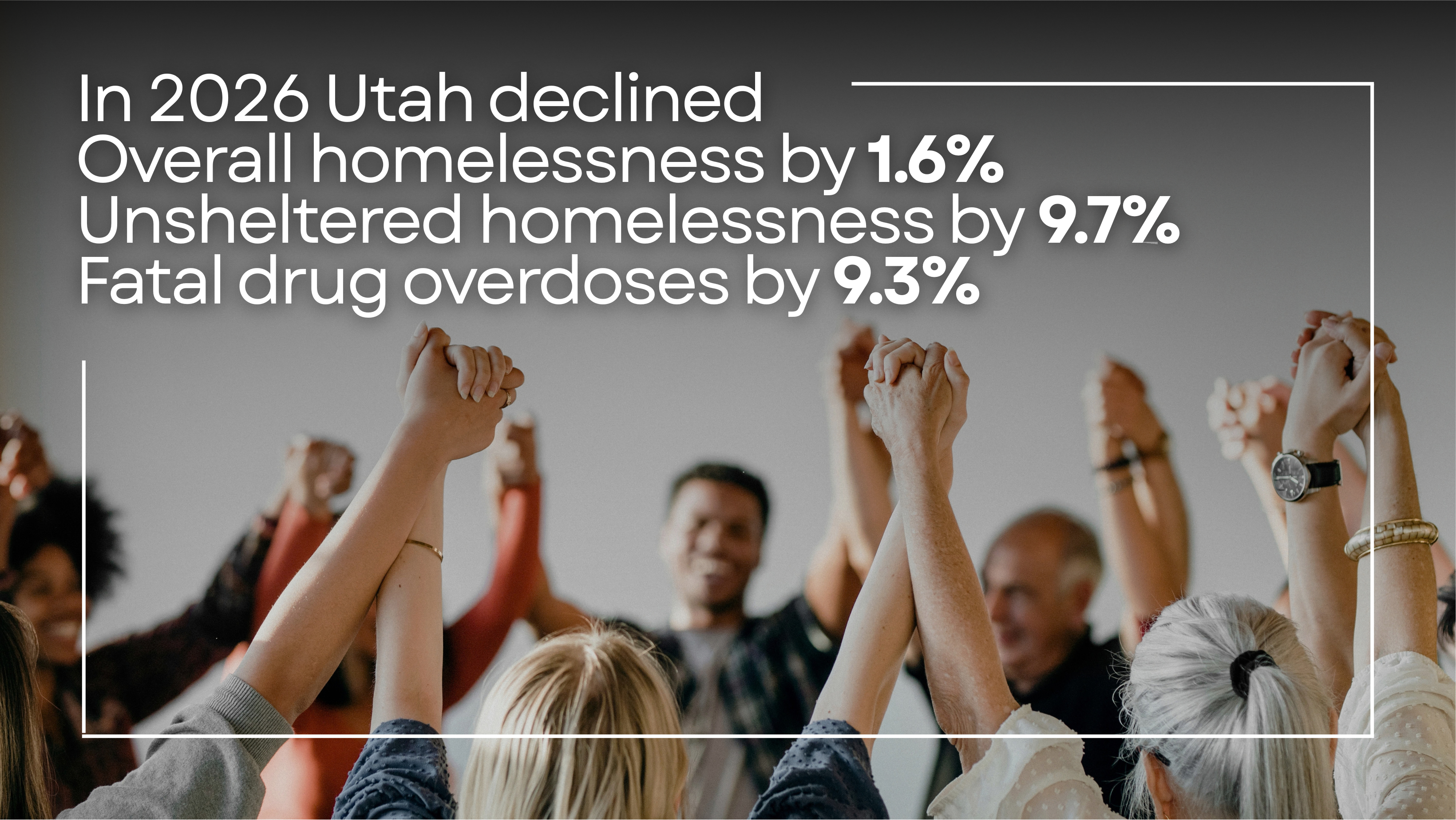
Utah became the first state to partner with the White House’s Great American Recovery Initiative in September, building on a shift already underway in our state toward treatment, recovery and accountability. In 2026, Utah reversed the trend in homelessness: overall homelessness declined 1.6%, and unsheltered homelessness dropped 9.7%.
Utah’s approach recognizes that homelessness cannot be solved by housing alone. The Legislature invested nearly $45 million this year across three priorities: accountability for high utilizers of the criminal justice system, emergency shelter and homelessness services, and mental and behavioral health infrastructure. Lawmakers have also strengthened enforcement against illegal drug use in public spaces and taken steps to address jail capacity and the cycle of arrest, release, and re-arrest.
Utah is pairing that accountability with a stronger path to treatment and recovery. Fatal drug overdoses declined 9.3% in the past year, and the state is working toward a 25% reduction in drug deaths and in the number of people who leave police custody only to return to homelessness. There is still more work to do, but the focus is increasingly on measurable results: enforcing the law, treating addiction and serious mental illness, and helping people achieve lasting recovery and self-sufficiency. |
|
|
Expanding Access to Quality Health Care |
|
Utah continues to invest in better access to health care and services across the state. In 2026, the Legislature directed $195 million toward Utah’s Rural Health Transformation Program, part of a five-year investment approaching $1 billion, and invested $20 million to increase Medicaid reimbursement rates for providers serving low-income Utahns. Since 2023, lawmakers have also provided $16 million in new funding for services for Utahns with disabilities.
Lawmakers have paired those investments with reforms addressing health care costs, behavioral health and prevention. Recent legislation has strengthened price transparency at freestanding emergency departments, streamlined licensing for behavioral health providers, improved coordination of mental health and substance-use treatment, created a firefighter cancer trust fund and launched a pilot program promoting physical activity and nutrition in schools. Together, these efforts are focused on improving access, strengthening Utah’s health care workforce and helping Utahns live healthier lives.
Learn more about our work to strengthen the health and wellbeing of Utahns. |
|

|
Strengthening Utah’s Public Safety System |
|
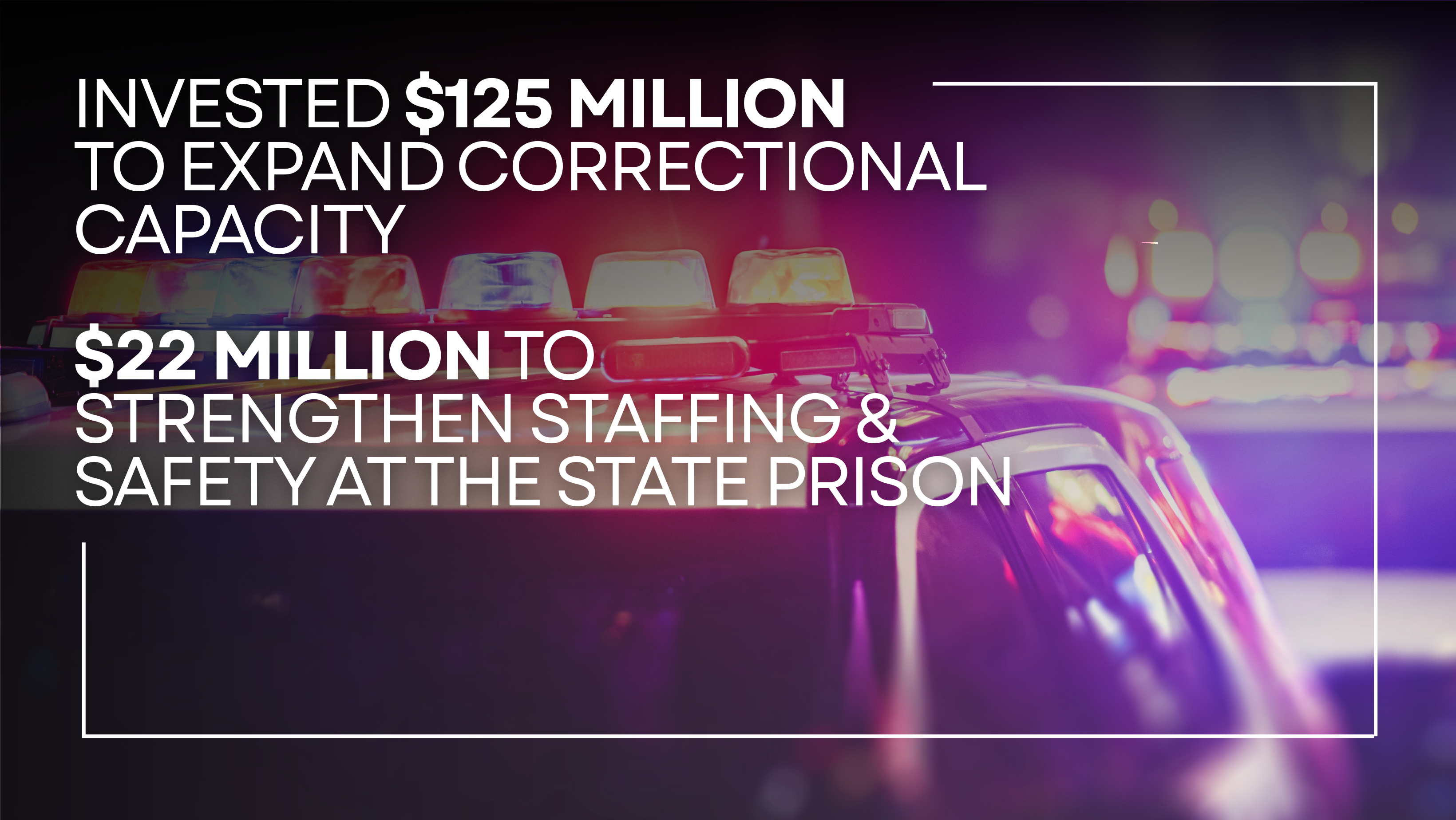
Utah continues to invest in the people and infrastructure that protect communities across the state. The Legislature has provided $125 million to expand correctional capacity and $22 million to strengthen staffing and safety at the state prison, while also directing new resources toward law enforcement and first responders. Recent legislation has focused on some of the most serious threats to public safety, including violent crime, fentanyl trafficking, organized crime and crimes against children.
The Legislature created new resources to help local agencies investigate and solve violent crimes, strengthened penalties for fentanyl distribution and expanded protections for law enforcement officers and first responders. These efforts reflect a continued focus on ensuring Utah’s public safety system has the personnel, facilities and tools necessary to protect communities statewide.
Learn more about the policies and investments keeping Utah communities safe. |
|
|
U.S. Constitution Signed 239 Years Ago This Month |
|
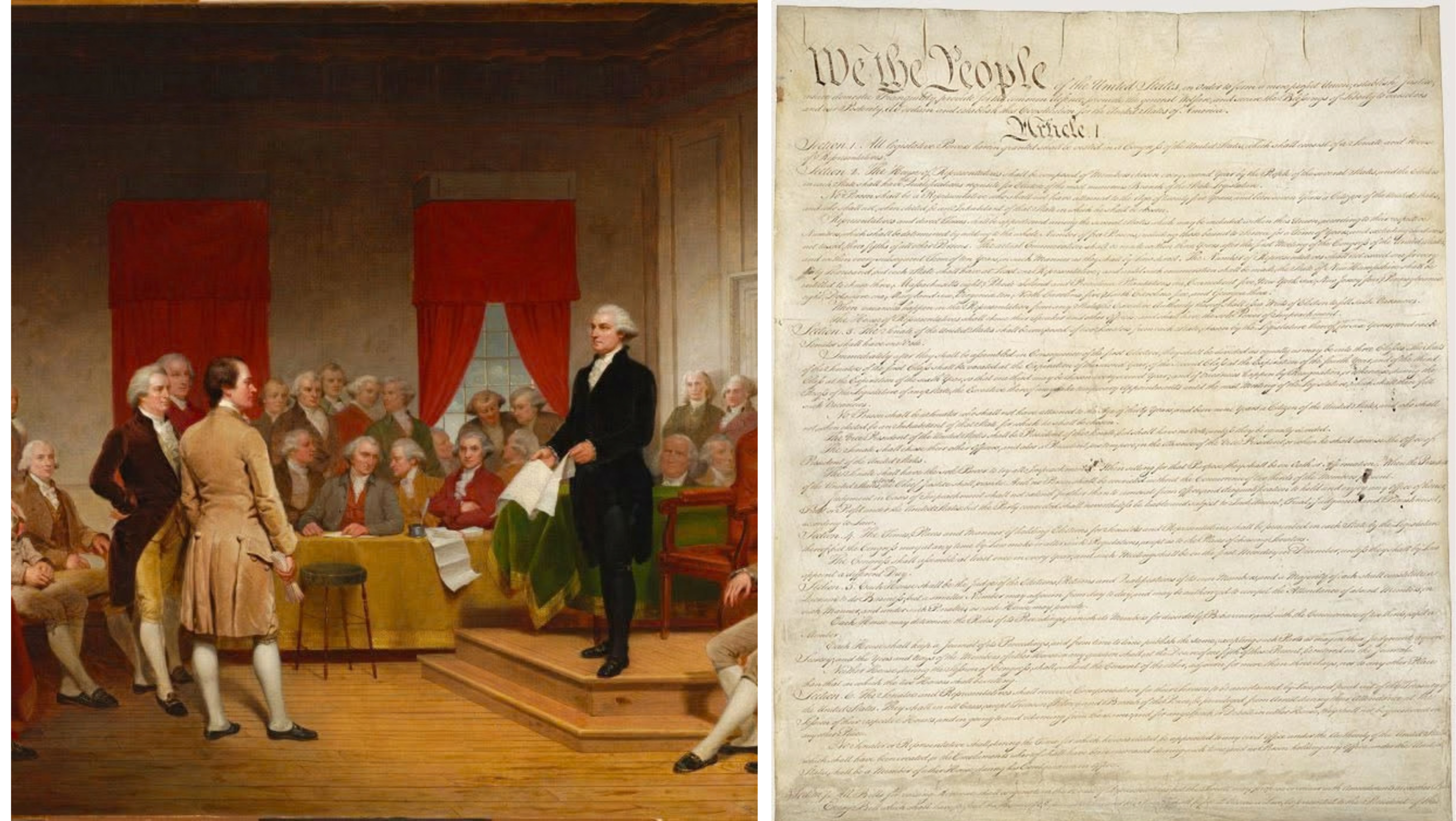
250 years ago a series of miracles took place that changed the course of this land and the world. There are hundreds, even thousands of stories, that are part of the miracle of the founding of the United States of America. One of the greatest stories is the creation of the U.S. Constitution. This month as we celebrate its signing 239 years ago, I hope we can all join in greater civility, have dignified dialogue advocating for its principles, make our influence felt by personally becoming involved in our civic responsibilities, and re-read and learn from this divinely inspired document. As we do so, our best days will be ahead of us. Learn more here. |
|
|
|
I would love to hear from you! |
|
District 63 Representative Stephen L. Whyte
swhyte@le.utah.gov 385-271-8435
|
|
|


|
Unsubscribe from future updates |